Tag: path to enlightenment

  • Dhammapada 386 | Discover the Buddha’s Wisdom on Liberation.

    Dhammapada 386 | Discover the Buddha’s Wisdom on Liberation and the Path to Enlightenment.
    Dhammapada 386 | Discover the Buddha’s Wisdom on Liberation.

    Dhammapada 386 | Discover the Buddha’s Wisdom on Liberation.

    What is true freedom? In a fast-paced world filled with noise, stress, and constant desire, inner peace can feel rare. Yet the Buddha, in Dhammapada 386, reminds us that real liberation does not come from rituals, status, or robes, but from mastering the mind. Freedom is not about running from the world; it is about not being ruled by it. This teaching invites a quiet courage: face craving, see through illusion, and rest in awareness.

    What the Verse Teaches

    This verse describes the true sage, one who has gone beyond desire, anger, and delusion. The awakened person is not recognized by appearance or religion, but by inner clarity and harmlessness. According to Dhammapada 386, the sage has crossed the river of suffering and reached the shore of peace. Unshaken by praise or blame, untouched by greed, they live with compassion, steadiness, and wise attention.

    Beyond Rituals and Appearances

    Many assume spirituality lives in holy places, complex ceremonies, or sacred clothing. The teaching makes it clear: awakening is not found in outward symbols. A person may chant prayers or wear monk robes yet still be trapped by ego and craving. Real spirituality begins with the mind. When grasping weakens, when ill will softens, and when confusion lifts, the heart naturally settles. Discipline supports, but insight frees.

    Crossing the River of Suffering

    Buddhist tradition often uses the image of crossing a river. On one bank lies suffering—desire, attachment, and fear. On the other bank is peace—wisdom, compassion, and freedom. The person praised in Dhammapada 386 has crossed over. They release the weight of the past and the anxiety of the future, abiding in the living present. Their mind becomes still like clear water, reflecting what is without distortion. They overcome suffering not with force, but with understanding and letting go.

    Applying the Teaching in Daily Life

    The guidance of Dhammapada 386 is not only for monks. Anyone can walk this path in small, consistent ways. Practice mindful breathing for a few minutes each morning; watch thoughts arrive and pass. When craving appears, name it gently and return to the breath. Simplify one area of life—your desk, your schedule, your commitments—so the mind has room to rest. Speak truthfully and kindly; silence is sometimes the kindest reply. Before sleep, review the day with compassion and set a wholesome intention for tomorrow, then let the body rest.

    Symbolism of the Monk on the Stone Bridge

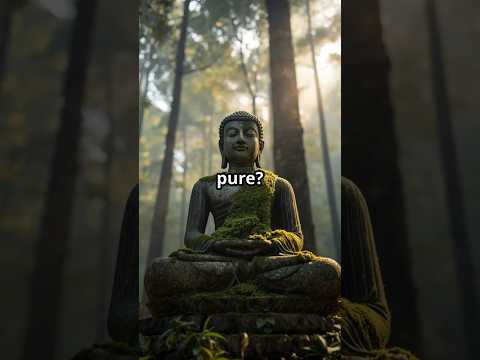
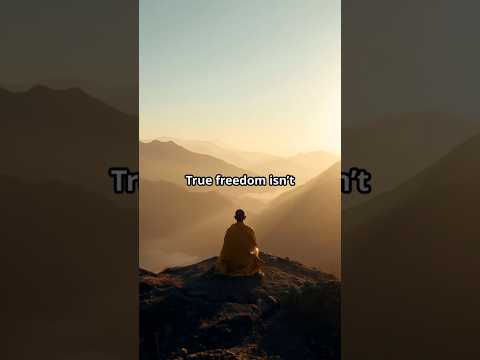
    The image of a monk walking across a stone bridge over still water dotted with lotus flowers beautifully mirrors this teaching. The bridge represents the path of wisdom that connects confusion to clarity. The lotus rises from mud yet blossoms unstained, symbolizing purity emerging from difficulty. Morning mist suggests the veils of ignorance thinning as light increases. Each quiet step across the span reflects inner progress: steady, simple, and sufficient. The scene is not an escape from life; it is life practiced with steadiness and grace.

    Why This Teaching Matters Today

    Modern life multiplies stimulation: notifications, opinions, comparisons, and endless desire. Yet the heart still longs for simplicity and truth. The clarity of Dhammapada 386 helps us remember what truly matters. Happiness is not secured by possessions or applause but by a free and caring mind. When we pause before reacting, loosen our grip on outcomes, and rest in awareness, we experience immediate relief. Over time, this relief matures into resilience, clarity, and trust. Your environment may stay noisy, but your heart can become quiet and strong.

    Conclusion

    This verse is a gentle but powerful map to inner freedom. The true sage is not the one who looks holy, but the one who is inwardly unbound. When craving, fear, and illusion fade, peace appears by itself. Begin where you are: breathe, notice, let go, and take the next kind step. Even if enlightenment feels distant, each moment of honest attention is a stone in your bridge. May this wisdom encourage you to move lightly, see clearly, and discover the quiet freedom that has been waiting within all along. Keep going; small, kind steps transform ordinary days into steady peace within.

    Dhammapada 386 | Discover the Buddha’s Wisdom on Liberation.
    Dhammapada 386 | Discover the Buddha’s Wisdom on Liberation.

    PS: If this teaching on Dhammapada 386 brought you peace or clarity, consider subscribing to YourWisdomVault for more timeless Buddhist wisdom and daily inspiration.

    #Dhammapada386 #BuddhistWisdom #YourWisdomVault #InnerPeace #SpiritualEnlightenment #MindfulnessJourney #BuddhaTeachings #LettingGo #PathToEnlightenment #AncientWisdom
  • Dhammapada 391 | Why the Gods Honor the Self-Controlled.

    Dhammapada 391 | Why the Gods Honor the Self-Controlled, Humble, and Spiritually Awakened.
    Dhammapada 391 | Why the Gods Honor the Self-Controlled.

    Dhammapada 391 | Why the Gods Honor the Self-Controlled.

    Among all the verses of the Buddha’s teaching, Dhammapada 391 shines as a quiet beacon of humility, discipline, and serenity. In a world filled with distraction, speed, and noise, this verse reminds us that lasting peace comes not from outer achievement but from mastering the inner world. The Buddha’s message is timeless: the self-controlled person, humble and calm, is honored by all beings—even by the gods themselves.

    The Verse and Its Essence

    Found in the Bhikkhu Vagga or The Monk Chapter, this passage reads:

    “He who lives purely and self-controlled,
    peaceful, with senses subdued,
    free from pride and craving—
    such a one the gods truly revere.”

    The verse offers a portrait of genuine spiritual strength. Purity and restraint are not about suppression; they are expressions of deep freedom. When the mind is calm and the senses are steady, wisdom naturally awakens.

    The Power of Self-Mastery

    Through Dhammapada 391, the Buddha teaches that discipline is the gateway to liberation. In modern culture, self-control can seem restrictive, but in truth, it frees us from the chaos of craving. When impulses are tamed, we act consciously rather than reactively. A mind that is balanced can meet joy or pain without being swept away.

    Meditation, mindfulness, and compassion training are the tools of this inner refinement. They polish the heart until it reflects clarity. Such composure does not go unnoticed; even divine beings, the devas of Buddhist cosmology, revere those who embody peace.

    Humility as True Greatness

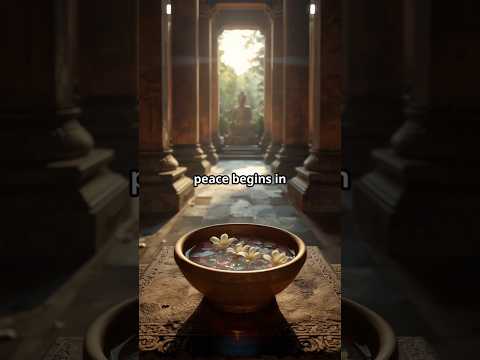
    A simple image captures the heart of Dhammapada 391—a clay bowl filled with clear water and petals resting upon a stone altar as morning light passes through ancient temple columns. The bowl does not boast; it merely holds and reflects. Likewise, the humble mind holds truth without distortion.

    Humility, in this sense, is not self-deprecation. It is the quiet knowing that we are part of something vast. When ego fades, compassion blooms. To be self-controlled is to recognize that anger, pride, and greed bring suffering. Letting them go is an act of wisdom, not loss.

    Practicing the Teaching

    Living the message of Dhammapada 391 begins with awareness in ordinary moments:

    • Pause before speaking in frustration.
    • Choose words that bring calm rather than conflict.
    • Simplify what you own and value what you have.
    • Spend a few minutes each day in mindful stillness.

    Each small act of restraint plants a seed of freedom. Gradually, peace becomes less a practice and more a natural state. The Buddha’s teaching reminds us that the real victory is mastery of the mind, not conquest of the world.

    The Modern Relevance

    Although spoken over two thousand years ago, Dhammapada 391 is strikingly relevant today. Our lives are filled with endless choices, distractions, and digital noise. The discipline to remain centered amid that storm is both rare and precious. Self-control allows us to live intentionally, to respond with wisdom instead of reacting with habit.

    When we embody this steadiness, we radiate a presence that uplifts others. The “gods” of our modern world—status, wealth, recognition—lose their grip, and a deeper peace takes their place. The self-controlled person becomes a quiet source of stability in a restless age.

    Walking the Path of Peace

    The teaching of Dhammapada 391 is not meant only for monks or hermits. It is an invitation to anyone who seeks serenity within daily life. Whether you are at work, at home, or among friends, every moment offers the chance to practice awareness. When anger rises, breathe. When pride whispers, smile gently. When craving tempts, remember the peace that comes from letting go.

    True strength is gentle, and genuine peace is humble. Through mindfulness and compassion, we discover that the calm heart is the most powerful force of all.

    Conclusion

    In the end, Dhammapada 391 calls us back to simplicity, reminding us that peace is born from restraint and that humility is the foundation of wisdom. When the mind is pure and the heart steady, life flows with quiet dignity. Such a person needs no recognition; their presence itself becomes a blessing.

    May this verse inspire you to live with awareness, patience, and kindness—so that your calm spirit may shine like still water under morning light.

    Dhammapada 391 | Why the Gods Honor the Self-Controlled.
    Dhammapada 391 | Why the Gods Honor the Self-Controlled.

    P.S.
    If this reflection on Dhammapada 391 brought you a moment of calm or clarity, take a breath—and consider subscribing to YourWisdomVault on YouTube for more timeless Buddhist wisdom, mindfulness insights, and gentle reminders to live with awareness each day. 🌿

    #YourWisdomVault #Dhammapada391 #BuddhistWisdom #Mindfulness #InnerPeace #BuddhaQuotes #Meditation #SelfControl #SpiritualGrowth #Humility #Dhammapada #BuddhistTeachings #WisdomPath #CalmMind #PeacefulLiving

  • Dhammapada 393 | Understanding True Purity in Buddhism.

    Dhammapada 393 | Understanding True Purity in Buddhism and the Path to Inner Peace.
    Dhammapada 393 | Understanding True Purity in Buddhism.

    Dhammapada 393 | Understanding True Purity in Buddhism.

    In a world obsessed with status, appearance, and ritual, the idea of purity is often misunderstood. For many, being pure means following rules, wearing the right robes, or belonging to the right group. Yet the Buddha offered a much deeper truth. Through Dhammapada 393, he taught that genuine purity is not determined by how we look or where we come from but by how we live and what rests in our hearts.

    This verse continues to echo across centuries because it redefines spirituality. It reminds us that the path to awakening is not found in appearances but in awareness.

    The Original Verse and Its Message

    In Dhammapada 393, the Buddha declares that one does not become noble or pure by birth or by outward forms, but through truth and righteousness. The verse speaks directly to those who confuse identity with integrity. A pure being is not someone who performs rituals perfectly but one whose thoughts, words, and actions are aligned with honesty and compassion.

    By challenging social norms of his time, the Buddha made spirituality accessible to all. Every person, regardless of class or background, holds the potential to embody wisdom and purity through mindful living.

    The Inner Source of Purity

    According to the teaching of Dhammapada 393, purity comes from the mind, not from objects or rituals. When we cleanse the mind of greed, hatred, and delusion, we begin to see the world with clarity. The Buddha often compared the pure mind to a calm lake, reflecting truth without distortion.

    Cultivating that clarity requires daily practice—mindfulness in speech, patience in action, and compassion in thought. True purity shines quietly, not through grand gestures but through steady awareness and sincere intention.

    Beyond Outer Appearances

    The verse invites us to let go of judgment and comparison. A person wrapped in simple clothing can be far purer than someone adorned in symbols of faith yet driven by pride. Dhammapada 393 turns the spotlight inward, asking us to look beyond surface impressions and examine our motives.

    When we stop trying to look spiritual and start living truthfully, the distinction between appearance and essence disappears. Real purity is invisible but deeply felt in the peace it brings.

    Bringing the Teaching Into Daily Life

    Applying this wisdom begins with awareness. Before speaking, ask if your words are kind and honest. Before acting, consider if your motives arise from compassion. Meditation helps reveal where attachment and ego hide. Gradually, the mind softens, pride fades, and genuine purity emerges.

    We can practice this anywhere—at home, at work, or while walking in nature. By aligning our daily actions with mindfulness, we embody the living spirit of the verse and discover that inner peace grows naturally when we act with sincerity.

    Modern Relevance of the Teaching

    In our digital age, where reputation often matters more than reality, the reminder of Dhammapada 393 is powerful. The Buddha’s words invite us to stop seeking validation and start cultivating authenticity. True purity is freedom—freedom from pretending, comparing, and performing.

    Mindfulness movements and meditation practices today echo this ancient insight. They call us to return to simplicity, to awareness, and to the quiet integrity that forms the foundation of all genuine spiritual growth.

    Conclusion: Living With Authentic Purity

    The heart of Dhammapada 393 is timeless. Purity cannot be worn, purchased, or inherited. It is discovered within, through the daily effort to live truthfully and kindly. When we walk the path of awareness, we no longer need titles or recognition—our peace speaks for itself.

    Let this verse remind you that your worth is not defined by appearance but by the calm and compassion you carry. Look within and find the light already waiting there.

    Dhammapada 393 | Understanding True Purity in Buddhism.
    Dhammapada 393 | Understanding True Purity in Buddhism.

    PS: If this reflection resonates with you, share it with others and subscribe to YourWisdomVault on YouTube for more insights inspired by the Buddha’s words and the path of mindfulness.

    #Dhammapada393 #BuddhistWisdom #TruePurity #MindfulnessPractice #BuddhaTeachings #YourWisdomVault #SpiritualAwakening #BuddhismExplained #InnerPeace #DhammapadaVerse #WisdomQuotes #MeditationJourney #BuddhistPhilosophy #PathToEnlightenment #MindfulLiving

  • Dhammapada 398 | Freedom Through Peaceful Understanding.

    Dhammapada 398 | Freedom Through Peaceful Understanding | Timeless Buddhist Teaching on Wisdom.
    Dhammapada 398 | Freedom Through Peaceful Understanding.

    Dhammapada 398 | Freedom Through Peaceful Understanding.

    In a world that constantly demands more, the Buddha’s teachings remind us that true peace is found not in possession but in understanding. Dhammapada 398 offers one of the most profound insights into spiritual liberation—the kind of freedom that arises when the heart no longer clings to anything. This verse captures the essence of the Buddhist path: wisdom born from awareness, freedom born from understanding.

    The Verse and Its Meaning

    Dhammapada 398 states that the one who has no clinging, who truly understands the Dharma, and who has realized the Unconditioned, is a true sage. These few lines summarize the whole journey from delusion to enlightenment. The Buddha points not to an external achievement, but to an inner realization. When the mind sees clearly that craving leads only to suffering, it naturally lets go. What remains is the calm of freedom—a mind that neither grasps nor rejects, but rests in peaceful awareness.

    The Path of Letting Go

    Letting go does not mean indifference. The verse of Dhammapada 398 teaches a gentle detachment born of wisdom. When we understand that everything is impermanent, we stop trying to control or own it. This understanding brings compassion rather than apathy. The one who lets go is not cold but free—able to love without clinging, to act without expectation, and to serve without fear. Freedom through peaceful understanding comes from seeing reality as it is, not as we wish it to be.

    The Unconditioned

    In Dhammapada 398, the term “Unconditioned” refers to Nibbāna, the end of all becoming. It is the state beyond birth and death, beyond duality, beyond the restless search for satisfaction. The Buddha does not describe this in metaphysical terms but as an experience of profound peace. When the fires of craving, aversion, and ignorance are extinguished, the mind rests in the stillness of the Unconditioned. This realization is not achieved through effort alone but through insight born of mindfulness and compassion.

    Applying the Teaching

    How can the message of Dhammapada 398 guide our daily lives? It begins with awareness. Every moment of mindfulness reveals how easily the mind attaches—to ideas, opinions, people, and outcomes. When we observe these attachments without judgment, they lose their power. Peaceful understanding grows as we replace reaction with reflection, and resistance with acceptance. Practicing meditation, generosity, and patience helps us live this truth. Step by step, the chains of clinging loosen, and we discover the quiet joy of freedom within ordinary life.

    Freedom Through Understanding

    The freedom described in Dhammapada 398 is not dependent on conditions. It does not wait for perfect circumstances. It is the freedom of one who understands the nature of things and is no longer bound by desire or fear. To understand is to see deeply into impermanence and interconnectedness. From this vision arises compassion, humility, and balance. The one who understands acts wisely, speaks kindly, and lives peacefully. This is the liberation the Buddha points toward—a life of freedom through peaceful understanding.

    Conclusion

    Dhammapada 398 is a mirror reflecting the heart of Buddhist wisdom. It reminds us that liberation is not something to gain but something to realize. When we understand the nature of craving and release it, we experience a peace that nothing can disturb. Freedom through peaceful understanding is not distant; it begins in each mindful breath, each compassionate act, and each moment we choose to see clearly. May this verse guide you toward the freedom that comes not from escape, but from awakening.

    Dhammapada 398 | Freedom Through Peaceful Understanding.
    Dhammapada 398 | Freedom Through Peaceful Understanding.

    P.S. If this reflection helped you find a little more peace today, we’d love to share more wisdom with you. 🌿
    Subscribe to YourWisdomVault on YouTube for daily Buddhist shorts, Dhammapada insights, and mindful reflections that nurture calm, clarity, and compassion on your spiritual path.

    #Dhammapada398 #YourWisdomVault #BuddhistWisdom #BuddhaTeachings #Mindfulness #InnerPeace #Detachment #Freedom #Dharma #SpiritualAwakening #BuddhaQuotes #Meditation #PeacefulMind #DailyWisdom #PathToEnlightenment #LettingGo #CalmMind #Compassion #Awakening #DhammapadaVerses