Tag: path to inner peace

  • Dhammapada 387 | Enlightened Is the One Who Shines Within.

    Dhammapada 387 | Enlightened Is the One Who Shines Within Through Wisdom and Discipline.
    Dhammapada 387 | Enlightened Is the One Who Shines Within.

    Dhammapada 387 | Enlightened Is the One Who Shines Within.

    In a world filled with constant noise, pressure, and distraction, many of us are searching for peace that actually lasts. Dhammapada 387 offers a gentle answer to that search. This ancient verse from the Buddha’s teachings reminds us that true brilliance is not found in status, wealth, or rituals but in a calm and liberated heart.

    What Dhammapada 387 Means

    Dhammapada 387 teaches that the person who is truly enlightened is the one who has freed themselves from inner defilements. This verse emphasizes that enlightenment is not about appearances or labels. It is about the inner transformation of the mind. A person is not noble because of birth or tradition, but because they have overcome ignorance, craving, and hatred.

    Instead of seeking validation from the outside world, this verse points inward. It invites us to recognize that the highest form of radiance is the quiet light of wisdom and compassion, not the kind that demands to be seen.

    The Symbolism of Inner Light

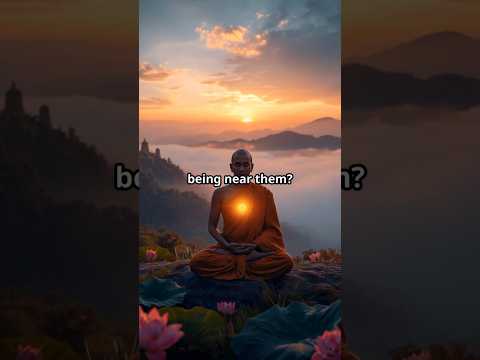
    When people reflect on Dhammapada 387, they often imagine a serene figure glowing softly from within. This light is symbolic—it represents understanding, peace, and freedom. It is the light of someone who no longer fights with the world or themselves.

    This radiance is not dramatic or loud. It is like a candle in a silent room, steady and humble. It shines naturally because the causes of inner darkness—anger, ego, and confusion—have dissolved. That is why the enlightened are described as those who shine from within.

    Why Dhammapada 387 Matters Today

    In modern life, many people feel lost despite being surrounded by technology, success, and connection. Anxiety, burnout, and comparison have become part of daily life. Dhammapada 387 offers an alternative path—one that leads inward.

    This verse gently reminds us that true peace isn’t found in perfection or productivity. It grows when the mind becomes quiet and the heart becomes kind. Enlightenment is not distant or impossible. It begins with awareness, honesty, and the courage to face ourselves without judgment.

    The Quiet Power of Wisdom and Discipline

    Dhammapada 387 highlights wisdom and discipline as the foundations of inner liberation. Wisdom allows us to see things clearly, without distortion or attachment. Discipline helps us live with mindfulness, ethical conduct, and emotional balance.

    Together, they cultivate a life that is gentle yet powerful. A disciplined mind is not rigid—it is stable, like a mountain unmoved by passing storms. A wise heart does not retreat from the world—it meets it with compassion and understanding.

    A Life That Shines Without Noise

    One of the most beautiful messages in Dhammapada 387 is that the enlightened person does not seek recognition. Their presence itself becomes a source of peace. They don’t need to prove their goodness. They don’t need the world to agree with them. Their happiness is not built on praise or approval.

    This is what makes their light so genuine. It is not performed, not forced. It is simply the natural state of a heart that is free.

    Living the Essence of the Teaching

    While Dhammapada 387 speaks of enlightenment, it also speaks to all of us who are still learning. It does not demand perfection. It invites progress—small moments of awareness, small acts of kindness, small victories over anger or fear.

    Choosing understanding over judgment, presence over distraction, kindness over ego—these are steps on the same path described in the verse.

    Conclusion

    Dhammapada 387 beautifully reminds us that enlightenment is not a title, a ceremony, or an outward display. It is the inner glow of a mind that has been purified, a heart that has let go of hatred, craving, and illusion. The true radiance of such a person needs no audience. It shines naturally, like the sun rising over a silent mountain.

    May this timeless teaching inspire you to slow down, breathe, and remember that the light you seek has always been within you.

    Dhammapada 387 | Enlightened Is the One Who Shines Within.
    Dhammapada 387 | Enlightened Is the One Who Shines Within.

    P.S. – If this teaching brought you peace or reflection, consider subscribing to YourWisdomVault on YouTube to stay connected with more Buddhist wisdom, mindful living, and timeless truths.

    #YourWisdomVault #BuddhistWisdom #Dhammapada387 #Mindfulness #InnerPeace #SpiritualGrowth #EnlightenmentPath #BuddhaTeachings

  • Watchfulness Leads to Wisdom | Timeless Buddhist Teaching.

    Watchfulness Leads to Wisdom | A Timeless Buddhist Teaching on Mindful Awareness and Insight.
    Watchfulness Leads to Wisdom | Timeless Buddhist Teaching.

    Watchfulness Leads to Wisdom | Timeless Buddhist Teaching.

    In a world filled with noise, distractions, and constant movement, one of the greatest challenges we face is the ability to be truly present. The Buddhist teaching, “By watchfulness, the wise win wisdom,” speaks directly to this modern struggle—and offers a clear path toward peace and self-understanding.

    But what does watchfulness really mean? And how does it lead to wisdom?

    What Is Watchfulness in Buddhism?

    In Buddhist philosophy, watchfulness—often translated as mindfulness or vigilance—is a foundational practice. It refers to the conscious awareness of our thoughts, actions, and surroundings. This isn’t about being tense or hyper-alert; it’s about being present in the moment with calm attention.

    Watchfulness means living intentionally rather than automatically. It’s the opposite of sleepwalking through life.

    The Buddha emphasized that those who remain aware, who “watch” their thoughts and actions with discernment, are the ones who gain deep understanding. This is not merely intellectual wisdom, but experiential wisdom—a knowing that comes from seeing clearly how things really are.

    Why Watchfulness Leads to Wisdom

    So how does watchfulness unlock wisdom?

    1. Clarity of Mind
      When we are watchful, we notice the thoughts and emotions that arise. Instead of reacting blindly, we pause and see things for what they are. This clarity allows us to make wiser choices—ones not driven by impulse, ego, or fear.
    2. Understanding Cause and Effect
      Watchfulness helps us observe patterns. We begin to see how our actions lead to consequences. This understanding is at the heart of Buddhist teachings on karma and personal responsibility.
    3. Inner Peace
      Wisdom is not just about knowledge—it’s about peace. Watchful living cultivates stillness. In that stillness, we find insight, healing, and a sense of balance that transcends chaos.
    4. Compassion and Connection
      As we become more aware of our own inner world, we also become more attuned to others. Watchfulness leads to empathy, which is a cornerstone of wisdom in Buddhist thought.

    Applying Watchfulness in Daily Life

    You don’t need to live in a monastery or meditate for hours to be watchful. Here are simple ways to bring watchfulness into your daily routine:

    • Start the day slowly: Before jumping into emails or social media, take a moment to sit quietly and breathe.
    • Check in with your thoughts: Pause throughout the day and ask, “What am I feeling right now? What am I thinking?”
    • Respond, don’t react: When faced with a challenge or conflict, take a breath. Watch your internal response before you speak or act.
    • Be present with others: Put your phone down. Look people in the eye. Listen fully.

    These small habits build the foundation for mindful living—and from that, wisdom naturally flows.

    A Message for Modern Seekers

    In a digital world filled with scrolling, noise, and surface-level interaction, watchfulness is a radical act. It is a return to self. A way of reclaiming our time, our minds, and our peace.

    The Buddha’s teaching is as relevant now as it was thousands of years ago. “By watchfulness, the wise win wisdom” is more than a quote—it’s a roadmap. And it begins with a single breath, a single moment of awareness.


    Ready to walk the path of presence and peace?
    Start today. Practice watchfulness. And let the wisdom unfold.

    Watchfulness Leads to Wisdom | Timeless Buddhist Teaching.
    Watchfulness Leads to Wisdom | Timeless Buddhist Teaching.

    P.S. If this reflection resonated with you, consider subscribing to our YouTube channel, YourWisdomVault, for more timeless wisdom, mindful teachings, and daily inspiration—straight from the vault. 🙏✨

    #Mindfulness #BuddhistWisdom #SpiritualGrowth

  • Inner Stillness Leads to Peace – A Path of Buddhist Wisdom.

    Inner Stillness Leads to Peace—A Path of Buddhist Wisdom, Clarity, and Deep Self-Understanding.
    Inner Stillness Leads to Peace – A Path of Buddhist Wisdom.

    Inner Stillness Leads to Peace – A Path of Buddhist Wisdom.

    In a world filled with endless noise, constant movement, and overwhelming distractions, the idea of inner stillness may feel out of reach. Yet, in the heart of Buddhist wisdom lies a profound truth: peace isn’t something we find outside ourselves — it’s something we uncover within.

    The Noise of the Modern Mind

    We live in an age where information is endless, but true understanding is rare. From the moment we wake up, our minds are flooded — notifications, responsibilities, worries, regrets. We’re constantly reacting, overthinking, and rushing from one moment to the next.

    This mental chaos creates stress, anxiety, and disconnection — not just from others, but from ourselves. But Buddhism offers a powerful remedy: stillness.

    Stillness Is Not Emptiness — It’s Presence

    When we speak of inner stillness in Buddhism, we don’t mean emptiness in a negative sense. Instead, it’s a deep state of presence, free from clinging thoughts and emotional reactivity. It’s not about removing all thought — it’s about observing thought without attachment.

    The Buddha taught:

    “Peace comes from within. Do not seek it without.”

    This core teaching reminds us that the answers we chase are already within us — we just need to get quiet enough to hear them.

    Mindfulness: The Gateway to Stillness

    One of the most practical paths to inner stillness is mindfulness. Mindfulness means bringing our full attention to the present moment — not trying to fix the past or predict the future, but simply being here now.

    Through mindfulness meditation, breath awareness, and conscious observation, we begin to notice the constant chatter of the mind. And with practice, we stop being caught in it. We become the observer, not the storm.

    As this practice deepens, stillness begins to emerge naturally — not forced, but invited. And in that space, we discover peace not as a concept, but as a lived experience.

    Why Inner Stillness Brings True Peace

    When we cultivate inner stillness:

    • We respond rather than react
    • We make wiser choices instead of emotional ones
    • We experience less suffering, because we stop clinging to every thought or feeling
    • We connect with a deeper sense of clarity, freedom, and joy

    Stillness isn’t passive — it’s powerful. It’s the kind of strength that allows you to stand firm even when the world around you shakes.

    How to Begin Your Path to Stillness

    You don’t need a monastery, hours of silence, or perfect conditions. You only need intention and practice. Here are three simple steps to begin:

    1. Start with your breath – Take a few minutes each day to simply breathe and observe. Don’t change anything. Just notice.
    2. Practice non-judgmental awareness – When thoughts arise, don’t resist them. Let them pass like clouds in the sky.
    3. Create space for silence – Turn off distractions. Sit in stillness. Even 5 minutes a day can shift your energy.

    As you begin to develop this practice, you’ll notice something subtle but life-changing: the more still you become inside, the more peaceful your outer world feels — regardless of its chaos.

    Final Thoughts

    The path of Buddhist wisdom isn’t about becoming someone else — it’s about returning to who you’ve always been beneath the noise. Inner stillness is your natural state. Beneath all thoughts, worries, and distractions, there is a quiet place within you. And it’s from this sacred space that true peace arises.

    So take a moment, right now, to be still.
    Breathe.
    Observe.
    And remember: the peace you seek… has been within you all along.

    Inner Stillness Leads to Peace – A Path of Buddhist Wisdom.
    Inner Stillness Leads to Peace – A Path of Buddhist Wisdom.

    If this teaching resonates with you, feel free to share it, meditate on it, or explore more timeless insights from Your Wisdom Vault on YouTube.

    #InnerPeace #BuddhistWisdom #Mindfulness