Tag: spiritual mindfulness

  • Dhammapada 268: Why Silence Reflects True Wisdom Within Us.

    Dhammapada 268: Why Silence Reflects True Wisdom Within Us.
    Dhammapada 268: Why Silence Reflects True Wisdom Within Us.

    Dhammapada 268: Why Silence Reflects True Wisdom Within Us.

    In a world filled with constant noise, opinions, and endless communication, silence can feel uncomfortable or even suspicious. Many people associate wisdom with clever speech, persuasive arguments, or intellectual dominance. Buddhist teachings offer a radically different view. Silence, when rooted in awareness, becomes a powerful expression of inner clarity rather than absence.

    Ancient Buddhist texts repeatedly emphasize restraint, mindfulness, and understanding over verbal display. One verse that captures this truth with remarkable precision is found in the Dhammapada, where wisdom is defined not by speech but by conduct and calm awareness. This teaching invites us to rethink what it truly means to be wise.

    Why Speaking Less Is Not Weakness

    Modern culture often equates silence with passivity or ignorance. Social platforms reward constant expression, instant reactions, and visible opinions. Buddhism challenges this assumption by pointing out that unrestrained speech often reveals confusion rather than insight.

    According to Dhammapada 268, a person does not become wise simply by talking much. Wisdom arises from understanding, discipline, and mindful behavior. When speech is driven by ego, impatience, or emotional reactivity, it clouds perception instead of clarifying it.

    Choosing silence does not mean avoiding truth. It means waiting until speech serves a purpose rooted in compassion and clarity.

    The Relationship Between Silence and Mindfulness

    Silence creates the conditions necessary for mindfulness to deepen. When the mind is no longer occupied with forming opinions or preparing responses, it can observe reality as it is. This observation is the foundation of insight.

    The teaching in Dhammapada 268 reminds practitioners that wisdom grows inwardly. Silence allows awareness to settle, revealing subtle mental patterns that are otherwise hidden by constant activity. Through silence, the mind becomes less reactive and more receptive.

    This is why meditation traditions place such importance on quiet observation. Stillness is not the goal; understanding is. Silence simply clears the path.

    Inner Discipline as the Source of Wisdom

    Buddhism places great emphasis on self-discipline, not as repression, but as freedom from compulsive behavior. Speech is one of the most common expressions of restlessness. When words flow without awareness, they often cause harm, misunderstanding, or regret.

    Dhammapada 268 points to inner discipline as the true measure of wisdom. A disciplined mind does not rush to speak. It listens, reflects, and responds only when necessary. This restraint reflects mastery over impulse rather than submission to silence.

    Such discipline cultivates trust. Others sense when words come from depth rather than habit.

    Silence and Freedom From Ego

    Much of unnecessary speech is rooted in the need to be seen, validated, or superior. Buddhism identifies this drive as ego-clinging, a major source of suffering. Silence weakens ego by removing its primary tool: constant self-assertion.

    The wisdom expressed in Dhammapada 268 highlights that true understanding does not need to announce itself. When ego loosens its grip, presence becomes more authentic, and actions speak louder than words.

    Silence, in this sense, becomes an act of humility and strength at the same time.

    Applying This Teaching in Daily Life

    Practicing mindful silence does not require withdrawing from society or avoiding conversation. It simply means bringing awareness to when and why we speak. Before responding, one can ask: Is this true? Is it necessary? Is it kind?

    By remembering Dhammapada 268, we can use silence as a tool rather than a reaction. Pausing before speaking reduces conflict, sharpens perception, and improves relationships. It also conserves mental energy that would otherwise be lost in unnecessary commentary.

    Over time, this practice reshapes communication into something more meaningful and intentional.

    Silence as a Modern Practice

    In today’s overstimulated environment, silence is increasingly rare and valuable. Notifications, media, and constant connectivity leave little room for reflection. Buddhist wisdom offers a counterbalance by reminding us that clarity cannot emerge from noise alone.

    The message of Dhammapada 268 feels especially relevant now. It encourages stepping back, listening deeply, and allowing understanding to mature without force. Silence becomes a refuge where wisdom can grow naturally.

    A Quiet Path to Insight

    The Buddha’s teachings consistently point toward inner transformation rather than outward performance. Wisdom is not something to display, but something to live. Silence supports this path by grounding awareness in the present moment.

    By reflecting on Dhammapada 268, we are reminded that wisdom is visible not in clever speech, but in calm behavior, thoughtful action, and mindful presence. In choosing silence wisely, we choose clarity over noise and understanding over appearance.

    Dhammapada 268: Why Silence Reflects True Wisdom Within Us.
    Dhammapada 268: Why Silence Reflects True Wisdom Within Us.

    P.S. If these teachings resonate with you, consider subscribing to YourWisdomVault on YouTube for calm Buddhist wisdom, short reflections, and daily reminders to slow the mind and see clearly.

    #Dhammapada268 #BuddhistWisdom #Mindfulness #InnerPeace #Silence #BuddhistPhilosophy
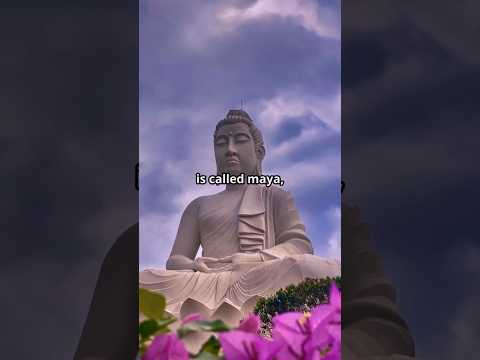
  • The Trap of Mind: Escaping Thought in Buddhist Wisdom.

    The Trap of Mind: Escaping Thought in Buddhist Wisdom and Finding Freedom Through Awareness.
    The Trap of Mind: Escaping Thought in Buddhist Wisdom.

    The Trap of Mind: Escaping Thought in Buddhist Wisdom.

    In our fast-paced, hyperconnected world, the mind often feels like a storm that never settles. Constant thoughts about the past, worries about the future, and judgments about the present can leave us feeling trapped. In Buddhist philosophy, this mental prison is known as the trap of mind—the tendency to become so absorbed in thinking that we miss the reality unfolding in front of us.

    Understanding and escaping this trap is not about erasing thoughts but about changing our relationship with them. The more we see thoughts for what they are—fleeting mental events—the less power they have over our happiness.

    What Is the Trap of Mind?

    The trap of mind refers to the human habit of over-identifying with our thoughts. Most people believe that every story their mind tells is true. Yet the mind is not an objective reporter; it is more like a storyteller, weaving narratives based on memory, conditioning, and emotion.

    Buddhist teachings describe this mental chatter as maya, or illusion. We don’t see reality directly; we see it through a filter of interpretation. The problem arises when we treat these interpretations as reality itself, leading to misunderstanding, emotional reactivity, and unnecessary suffering.

    How the Trap of Mind Causes Suffering

    Being caught in the trap of mind means living in a world of mental projections rather than actual experience. This can manifest in many ways:

    • Anxiety: Fear of what might happen tomorrow.
    • Regret: Replaying past mistakes and missed opportunities.
    • Judgment: Criticizing ourselves or others based on imagined standards.
    • Disconnection: Missing the richness of life because we’re lost in thought.

    The suffering doesn’t come from life events alone but from the mind’s ongoing commentary about them.

    Escaping the Trap of Mind Through Mindfulness

    Buddhism offers practical tools to step out of this mental maze. The most direct is mindfulness—the practice of paying attention to the present moment without judgment.

    1. Breath Awareness

    Anchor yourself to the here and now by feeling the rhythm of your breathing. When you notice your attention drifting into stories, gently guide it back. Over time, this loosens the grip of the trap of mind.

    2. Labeling Thoughts

    When a thought arises, label it simply: “planning,” “remembering,” “judging.” This creates a gap between awareness and thought, showing you that you are the observer, not the thinker.

    3. Compassionate Observation

    Meet your thoughts with curiosity rather than resistance. Struggling against the mind can make it more chaotic; gentle observation allows thoughts to dissolve naturally.

    The Role of Present-Moment Awareness

    Present-moment awareness is the antidote to the trap of mind. When you immerse yourself in what’s happening now—hearing birdsong, feeling the sun on your skin, tasting your food—the mind’s illusions fade into the background.

    Shifting Your Identity

    Perhaps the deepest Buddhist insight is that you are not your thoughts. You are the awareness that notices them. This shift in identity breaks the spell of the trap of mind, because thoughts lose their authority when you stop confusing them for truth.

    Practical Daily Practices

    To integrate these teachings into daily life, consider:

    • Morning meditation: 10 minutes of mindful breathing to start the day.
    • Mindful transitions: Pause between tasks to notice your mental state.
    • Gratitude journaling: Focusing on what’s real and positive reduces overthinking.
    • Digital breaks: Stepping away from constant information intake allows the mind to settle.

    Conclusion

    The trap of mind can feel inescapable when you’re inside it, but Buddhist wisdom shows that the door is always open. By practicing mindfulness, embracing the present moment, and remembering that you are not your thoughts, you can walk out of the mental prison and into clarity, peace, and freedom. True liberation is not found in controlling every thought—it’s in realizing you were never truly trapped.

    The Trap of Mind: Escaping Thought in Buddhist Wisdom.
    The Trap of Mind: Escaping Thought in Buddhist Wisdom.

    PS: If this insight resonates with you, subscribe to YourWisdomVault on YouTube for more Buddhist wisdom and mindfulness tips—your journey to inner freedom starts here.

    #BuddhistWisdom #Mindfulness #TrapOfMind #Overthinking #SpiritualGrowth #MeditationPractice #InnerPeace #BuddhistTeachings #MindfulnessMeditation #MentalClarity #PresentMoment #AwarenessPractice #LetGoOfThoughts #SelfDiscovery #InnerFreedom