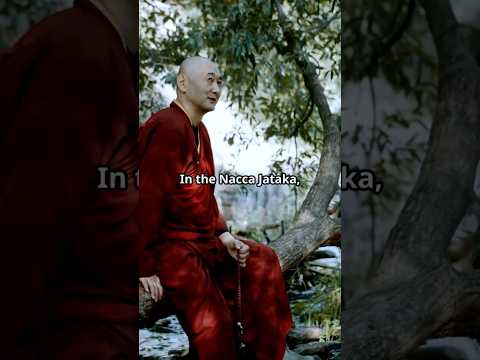
Tag: Wisdom stories

  • Nacca Jataka | Buddhist Moral Story & Timeless Wisdom.

    Nacca Jataka | Buddhist Moral Story & Timeless Wisdom | Inspiring Lesson on Mindfulness and Virtue.
    Nacca Jataka | Buddhist Moral Story & Timeless Wisdom.

    Nacca Jataka | Buddhist Moral Story & Timeless Wisdom.

    The Jataka tales are among the most beloved Buddhist stories, passed down through generations to teach moral lessons and inspire spiritual practice. Each tale represents one of the Buddha’s past lives, showing how virtues like wisdom, patience, and compassion were cultivated across countless existences. One such story is the Nacca Jataka, which offers a timeless teaching on the dangers of pride and the value of humility.

    The Story of the Nacca Jataka

    In the Nacca Jataka, the Bodhisatta is reborn as a calm and wise ascetic. He lives simply, devoting his life to inner peace and self-mastery. One day, a conceited dancer arrives in the same place. The dancer is known for his beauty, skill, and confidence, but also for his arrogance. Seeing the ascetic, the dancer mocks him, boasting loudly about his abilities and ridiculing the simplicity of the sage’s life.

    When the time comes to display his talent, the dancer fails miserably. His pride and lack of discipline cause him to stumble, and his performance collapses in embarrassment. In contrast, the ascetic’s quiet dignity and steady composure earn the respect of everyone present.

    This tale reveals a deep truth: outward talent and beauty may capture attention, but only humility and wisdom earn lasting honor.

    Lessons from the Tale

    The Nacca Jataka is more than an entertaining fable. It conveys powerful lessons that remain relevant for our daily lives:

    • Pride brings downfall: Arrogance blinds us to our weaknesses and often leads to failure.
    • Humility earns respect: People value integrity and sincerity more than empty boasts.
    • Inner character matters most: Outward appearances fade, but inner qualities endure.
    • Wisdom shines quietly: True greatness does not need to announce itself.

    These lessons remind us that our worth is measured not by how loudly we proclaim our gifts, but by how we live with compassion, patience, and humility.

    Relevance in Daily Life

    This Jataka tale offers guidance that is strikingly relevant to modern times. In a world where appearances, status, and performance are typically celebrated above character, the story challenges us to look deeper. Social media may reward self-promotion, but true respect still comes from sincerity and humility.

    At work, in relationships, and in spiritual practice, arrogance can close doors while humility opens them. By practicing modesty, we make space for growth, learning, and genuine connection with others.

    Buddhist Wisdom in the Jataka Tales

    Stories like the Nacca Jataka highlight the Buddha’s journey through countless lives as he developed the virtues needed for enlightenment. Each tale invites reflection: where do we see pride in our lives? How can we cultivate humility instead?

    These questions are not abstract. They are practical tools for daily mindfulness. Every time we resist the urge to boast, every time we choose humility over arrogance, we walk a little closer to wisdom.

    Conclusion

    The Nacca Jataka teaches that pride leads to downfall, while humility brings lasting respect. Through the image of a proud dancer and a humble ascetic, the story illustrates that outward beauty and skill are fleeting, but inner wisdom is timeless.

    By applying this lesson, we can approach life with patience, kindness, and humility. These qualities not only protect us from the pitfalls of arrogance but also draw others toward us with trust and respect.

    The Jataka tales continue to offer timeless guidance, and this story is a shining reminder that true greatness lies not in prideful display but in quiet dignity.

    Nacca Jataka | Buddhist Moral Story & Timeless Wisdom.
    Nacca Jataka | Buddhist Moral Story & Timeless Wisdom.

    PS: If this story from the Nacca Jataka inspired you, subscribe to YourWisdomVault on YouTube for more Buddhist wisdom, Jataka tales, and moral teachings. 🌿🙏

    #NaccaJataka #JatakaTales #Buddhism #BuddhistWisdom #YourWisdomVault

  • Munika Jataka: Buddhist Story of Greed and Consequences.

    Munika Jataka: Buddhist Story of Greed and Consequences.
    Munika Jataka: Buddhist Story of Greed and Consequences.

    Munika Jataka: Buddhist Story of Greed and Consequences.

    Among the Jataka tales preserved in Buddhist tradition, the Munika Jataka is one of the most memorable. These stories, spoken by the Buddha, were not just fables for entertainment. They were teaching tools that conveyed moral lessons about human behavior, karma, and the path toward wisdom.

    The Munika Jataka focuses on a pig named Munika, whose downfall came from unchecked craving. Though the tale is ancient, its meaning is timeless. It asks us to look at our own relationship with desire and reminds us that greed never leads to happiness.


    The Story of Munika

    Munika the pig lived a fortunate life. He had food, shelter, and comfort. But he was never satisfied. His hunger was not only physical—it was the endless hunger of desire.

    One day, he heard that a grand feast was being prepared nearby. Despite warnings of danger, Munika rushed ahead, thinking only of the delicious food that awaited him. His greed blinded him to the obvious risks.

    The feast, however, was a trap. In his desperate attempt to satisfy craving, Munika walked straight into the hands of those who sought to harm him. The Buddha told this story to demonstrate how greed clouds judgment and leads directly to suffering.


    Lessons from the Munika Jataka

    Greed as a Trap

    The first lesson is simple but profound: greed is never satisfied. The more we chase after cravings, the more we lose clarity. Munika’s downfall mirrors the countless times humans have ignored wisdom in pursuit of fleeting pleasures.

    Contentment as Strength

    The Munika Jataka also teaches that true happiness lies in contentment. Appreciating what we have brings peace of mind, while endlessly wanting more creates restlessness and suffering.

    Mindfulness as Protection

    Mindfulness is the safeguard against unwise choices. Had Munika paused to reflect, he might have seen the danger ahead. For us, mindfulness is the practice of slowing down, observing our impulses, and choosing wisely.


    Modern Relevance

    Although told centuries ago, the Munika Jataka is highly relevant today. Modern life constantly tempts us with more—more possessions, more wealth, more recognition. Advertising and social pressure often encourage endless wanting.

    Just like Munika, we may find ourselves pursuing short-term pleasure without considering long-term consequences. Whether it’s overspending, unhealthy habits, or chasing status, greed often leaves us trapped.

    This story calls us to reflect: are we living wisely, or are we being led by craving? By embracing mindfulness and gratitude, we can break free from the cycles of dissatisfaction.


    Why the Jataka Tales Endure

    Stories such as the Munika Jataka endure because they capture universal truths. Human desires have not changed across centuries. The same forces that trapped Munika still influence us today.

    The Jataka tales are not abstract philosophy; they are practical teachings. Each one highlights a moral principle we can apply daily. By listening, reflecting, and living by these lessons, we avoid suffering and cultivate peace.


    Conclusion

    The Munika Jataka reminds us that greed, when unchecked, destroys clarity and leads to pain. Munika’s tragic choice was not just the story of a pig—it is the story of humanity repeating itself whenever craving takes control.

    By practicing mindfulness, cultivating contentment, and appreciating what we already have, we step away from Munika’s fate. This ancient tale continues to guide seekers of wisdom, offering a reminder that happiness is not found in endless wanting, but in the freedom of being satisfied.

    Munika Jataka: Buddhist Story of Greed and Consequences.
    Munika Jataka: Buddhist Story of Greed and Consequences.

    P.S. If you enjoyed this story, don’t miss more timeless wisdom and mindful lessons. 👉 Subscribe to YourWisdomVault on YouTube for fresh inspiration every week.

    #BuddhistStories #JatakaTales #Mindfulness #WisdomStories #LifeLessons #BuddhistWisdom #YourWisdomVault

  • Nigrodhamiga Jataka: Buddhist Tale of Compassion & Wisdom.

    Nigrodhamiga Jataka: A Buddhist Tale of Compassion & Wisdom, Teaching Kindness and Courage.
    Nigrodhamiga Jataka: Buddhist Tale of Compassion & Wisdom.

    Nigrodhamiga Jataka: Buddhist Tale of Compassion & Wisdom.

    Among the many treasured stories found in Buddhist literature, the Nigrodhamiga Jataka stands out as a radiant symbol of compassion, leadership, and moral courage. The Jataka tales—narratives of the Buddha’s previous lives—are designed to highlight the virtues he cultivated on his path to enlightenment. This particular story, centered on a golden deer with extraordinary wisdom, has been told for centuries to remind people that true strength lies not in domination, but in kindness.

    What Is the Nigrodhamiga Jataka?

    The Jataka tales are among the most influential works in Buddhist storytelling. Each tale illustrates a different virtue, weaving together folklore, moral guidance, and spiritual lessons. In the Nigrodhamiga Jataka, the Buddha is reborn as Nigrodhamiga, a golden deer who possesses not only physical beauty but also great wisdom and compassion. Unlike ordinary leaders, he rules over his herd with gentleness, ensuring safety and harmony rather than fear.

    The Story of the Golden Deer

    According to the tale, the king of Benares delighted in hunting and demanded that deer be driven into his park for daily sacrifices. The herds suffered greatly until Nigrodhamiga proposed a solution: rather than constant fear and chaos, one deer would voluntarily offer itself each day, sparing the others unnecessary torment. This compassionate system was accepted, and the deer lived with less suffering.

    One day, however, the lot fell upon a pregnant doe. Desperate to protect her unborn child, she begged Nigrodhamiga for mercy. Without hesitation, he took her place, offering himself for sacrifice. When the king learned of this act, he was deeply moved. Nigrodhamiga’s selflessness revealed a moral power greater than any weapon. The king not only spared him but vowed to end the slaughter entirely, declaring freedom for all animals in his kingdom.

    Symbolism of the Nigrodhamiga Jataka

    The Nigrodhamiga Jataka is layered with symbolic meaning. The golden deer represents purity and enlightenment, while the forest reflects the challenges of worldly life. The king symbolizes worldly authority, yet even royal power is transformed when touched by true compassion. This interplay of characters shows that ethical choices can shift the course of society itself.

    Key Lessons for Modern Life

    Compassion as Strength

    Nigrodhamiga’s willingness to sacrifice himself teaches that compassion is the highest form of strength. In a world that often glorifies competition, this story highlights the transformative impact of empathy.

    Leadership with Integrity

    The tale also offers a model of leadership grounded in moral clarity. Nigrodhamiga’s decisions were never self-serving; instead, he prioritized the welfare of the entire community. This kind of leadership resonates deeply in workplaces, families, and communities today.

    The Power of Moral Influence

    One of the most striking aspects of the story is how a single act of compassion reshaped a king’s worldview. True influence typically comes not from authority but from example.

    Why This Tale Matters Today

    Though centuries old, the Nigrodhamiga Jataka remains relevant for modern readers. In times of conflict, inequality, and environmental challenges, stories that emphasize compassion and responsibility to others carry profound significance. They remind us that ethical choices ripple outward, changing not just individuals but entire societies.

    Conclusion

    The Nigrodhamiga Jataka continues to inspire across generations as a timeless lesson in compassion and wisdom. It shows us that true greatness is measured not by dominance or fear, but by the courage to protect and uplift others. Whether you encounter this story as a Buddhist teaching or a universal moral tale, its message remains clear: the path to peace and harmony begins with compassion.

    Nigrodhamiga Jataka: Buddhist Tale of Compassion & Wisdom.
    Nigrodhamiga Jataka: Buddhist Tale of Compassion & Wisdom.

    PS: If you enjoyed this story and want more wisdom-filled tales from the Jataka collection and Buddhist teachings, don’t forget to subscribe to YourWisdomVault on YouTube and stay inspired. 🌿✨

    #NigrodhamigaJataka #JatakaTales #BuddhistStories #Compassion #Wisdom #BuddhaTeachings #Mindfulness #AncientWisdom #Storytelling #YourWisdomVault

  • Serivanija Jataka: The Twin Merchants Buddhist Tale.

    Serivanija Jataka: The Twin Merchants Buddhist Tale on Greed, Wisdom, and Right Livelihood.
    Serivanija Jataka: The Twin Merchants Buddhist Tale.

    Serivanija Jataka: The Twin Merchants Buddhist Tale.

    The Serivanija Jataka is one of the most memorable tales from the Buddhist Jataka collection. These timeless stories use simple storytelling to convey profound moral lessons that remain relevant even today. The tale of the twin merchants highlights the dangers of greed and the rewards of honesty, reminding us that true wealth is not measured by possessions but by character.

    What Are Jataka Tales?

    Jataka tales are stories about the past lives of the Buddha, told to illustrate his path toward enlightenment. Each narrative is built around a virtue, such as patience, kindness, or truthfulness. While entertaining as folklore, they also serve as moral lessons that guide people in daily life. The Serivanija Jataka is a prime example, showing how two merchants take very different approaches to the same situation, with very different outcomes.

    The Story of the Twin Merchants

    Two merchants traveled together, selling pots, pans, and other goods. Outwardly, they appeared similar. Inwardly, they could not have been more different.

    The first merchant was greedy. His goal was not fair trade but maximum profit through deceit. When he entered a poor household, an elderly woman and her granddaughter showed him an old, dusty bowl. Unaware of its value, they hoped to exchange it for something useful. The greedy merchant glanced at it and, knowing it was gold, dismissed it as worthless before leaving.

    Later, the second merchant arrived at the same home. Unlike his rival, he valued honesty. He immediately recognized the golden bowl but did not try to deceive the woman. Instead, he offered a fair exchange, giving them goods worth far more than they expected. Through his integrity, he gained both material reward and respect.

    Moral Lessons from the Serivanija Jataka

    The Serivanija Jataka teaches that greed blinds us, while honesty opens opportunities. The dishonest merchant lost everything because his short-term vision kept him from appreciating real value. The honest merchant prospered because he saw beyond profit, choosing fairness and compassion.

    In daily life, this lesson is universal. Dishonesty may bring temporary gain, but it damages trust and relationships. Honesty, though sometimes requiring sacrifice, builds lasting respect, loyalty, and true success.

    Relevance in Modern Life

    Although centuries old, this Buddhist story has direct relevance today. In a world filled with competition, shortcuts, and pressure for quick rewards, the tale reminds us that long-term integrity outweighs immediate profit.

    For children, the story is a gentle introduction to the importance of truthfulness. For adults, it is a mirror, asking us whether we act with fairness in business, relationships, and personal decisions. Even in professional settings, companies that choose transparency and ethics often build stronger brands and loyal customers—just as the honest merchant gained trust.

    The Buddhist Connection

    Like many Jataka tales, this story reflects the values taught by the Buddha. While not every tale is explicitly religious, each one reinforces qualities that support spiritual growth. The merchants’ contrasting choices illustrate the law of cause and effect: greed leads to loss, honesty leads to prosperity. The story’s simplicity makes it easy to remember, but its lesson is profound enough to guide a lifetime of choices.

    Conclusion

    The Serivanija Jataka is more than an ancient fable—it is a powerful reminder that the richest treasure is integrity. The tale of the twin merchants shows us that wealth without honesty is fleeting, but wealth with fairness becomes lasting. By following the example of the honest merchant, we not only gain material success but also earn trust and peace of mind.

    These lessons remain as relevant today as when they were first told. In every generation, the story encourages us to ask: are we living for short-term gain, or are we building true wealth through virtue?

    Serivanija Jataka: The Twin Merchants Buddhist Tale.
    Serivanija Jataka: The Twin Merchants Buddhist Tale.

    P.S. If you enjoyed this story, don’t miss future wisdom tales! ✨
    👉 Subscribe to YourWisdomVault on YouTube for more Buddhist stories, Jataka tales, and timeless life lessons.

    #BuddhistStories #JatakaTales #WisdomTales #LifeLessons #BuddhistTeachings