Blog

  • Who’s in Charge of AI? Tech, Governments, or the Algorithm?

    Who’s in Charge of AI? Big Tech, Governments, or the Algorithm? #technology #nextgenai
    Who’s in Charge of AI? Big Tech, Governments, or the Algorithm?

    Who’s in Charge of AI? Big Tech, Governments, or the Algorithm?

    Artificial intelligence is no longer just a futuristic idea — it’s already embedded in our daily lives. From social media feeds and search results to voice assistants and recommendation systems, AI shapes what we see, what we click, and even how we think. But with this growing influence comes a critical question: Who really controls the AI?

    The obvious answers might seem to be Big Tech companies, governments, or perhaps even the engineers and researchers who design the models. But the truth is far more complex — and, in some ways, more unsettling.

    Big Tech: The Builders and Gatekeepers

    There’s no denying the role that Big Tech plays in the development of artificial intelligence. Companies like Google, OpenAI, Meta, Amazon, and Microsoft are investing billions in AI research and infrastructure. They train massive models, deploy them across platforms, and collect user data to improve them continuously.

    These corporations effectively control the pipelines — the tools, data, distribution, and often the standards themselves. Their incentives are primarily driven by profit, growth, and engagement, not necessarily ethics or long-term consequences. When AI becomes deeply entangled with business models based on user attention, personalization, and behavioral prediction, it’s easy to see how power consolidates in a few hands.

    So yes — Big Tech builds the AI. But do they truly control it?

    Governments: The Regulators Playing Catch-Up

    Recently, governments worldwide have tried to catch up with the explosive growth of AI. From the EU AI Act to discussions about AI safety standards in the U.S. and beyond, regulation is becoming part of the conversation. But bureaucracy moves slowly — typically lagging far behind technological innovation.

    Moreover, governments don’t always understand the technology deeply enough to regulate it effectively. They may rely on corporate input (sometimes from the very companies they’re supposed to regulate), leading to frameworks that serve industry more than society.

    While governments hold the power to legislate, they don’t own the code. They don’t control the data. And most importantly, they don’t control the pace of AI evolution.

    The Algorithm: Learning From Us

    Here’s where things get fascinating — and unsettling.

    Most modern AI systems, especially those that use machine learning or deep learning, are trained on human behavior. They learn from what we click, type, watch, and ignore. This means AI isn’t just programmed — it’s trained by patterns across billions of digital interactions.

    In that sense, the algorithm evolves not just based on engineering, but on us. On our data. On our collective behavior.

    That raises an eerie question:
    Are we controlling AI, or is AI adapting to control us?

    Once an algorithm is optimized for attention, profit, or efficiency, it can begin to nudge users toward predictable behaviors. Think of social media’s infinite scroll. Or YouTube’s autoplay. Or how personalized ads seem to know what you’re thinking. This isn’t magic — it’s machine learning trained to maximize outcomes.

    And once that feedback loop is in place, even developers may not fully understand how the system is functioning in real time.

    Who’s in Charge of AI? Big Tech, Governments, or the Algorithm?
    Who’s in Charge of AI? Big Tech, Governments, or the Algorithm?

    So, Who’s Really in Charge of Ai?

    The real answer might be: no one fully is.

    AI today is governed by a complex system of overlapping forces — corporate interests, incomplete regulations, and feedback loops built on human behavior. Each has a hand on the wheel, but no one is steering the car with full control.

    That’s why this conversation matters. As AI becomes more powerful and integrated into our lives, we need transparency, accountability, and a serious discussion about the future of human agency.

    Because if no one’s in charge of AI…
    it may end up in charge of us.

    #ArtificialIntelligence #AIControl #BigTech #AlgorithmPower #MachineLearning #TechEthics #AIRegulation #FutureOfAI #DigitalPower #TechnoAIVolution

    P.S. If you’re into exploring who really holds the reins of AI — from code to control — subscribe for more sharp, thought-provoking insights at TechnoAIVolution on YouTube.

    Thanks for watching: Who’s in Charge of AI? Tech, Governments, or the Algorithm?

  • The Stoics Knew About Self-Improvement Before It Was Trendy

    What the Stoics Knew About Self-Improvement — Ancient Wisdom Long Before It Became Trendy.
    What the Stoics Knew About Self-Improvement Before It Was Trendy.

    What the Stoics Knew About Self-Improvement Before It Was Trendy.

    Before “self-improvement” became a billion-dollar industry filled with productivity hacks, motivational speeches, and endless morning routine checklists, the ancient Stoics were quietly mastering the art of personal growth. They didn’t have YouTube channels or Instagram Reels, but their practices were surprisingly modern — and far more sustainable.

    The Original Self-Improvement Framework

    When people think of Stoicism, they often picture emotionless philosophers detached from the world. But true Stoicism isn’t about suppressing emotions — it’s about cultivating clarity, discipline, and intentional living. It’s one of the earliest and most effective frameworks for self-improvement, self-mastery, and mental resilience.

    Marcus Aurelius, the Roman emperor and Stoic philosopher, journaled daily — not to entertain others, but to sharpen his mind. His book Meditations is filled with private reflections meant to keep him grounded, focused, and morally aligned. That’s more than journaling. That’s self-coaching.

    Epictetus and the Power of Choice

    Epictetus, a former slave turned teacher, taught that the foundation of all improvement lies in knowing what is in your control and acting accordingly. One of his most powerful quotes is:

    “First, say to yourself what you would be, and then do what you have to do.”

    This isn’t motivational fluff. It’s a call to clarity — know who you want to become, then align your actions accordingly. No shortcuts. No external validation needed.

    Modern self-improvement often focuses on results: success, wealth, fitness, productivity. The Stoics focused on virtue: courage, temperance, justice, and wisdom. In their view, becoming a better person wasn’t about appearing impressive. It was about living well.

    Seneca: Less Rush, More Reason

    Seneca, the Roman statesman and philosopher, emphasized the value of time — and how frequently we waste it chasing things that don’t matter. In today’s hustle culture, his insights feel especially relevant:

    “It is not that we have a short time to live, but that we waste a lot of it.”

    Seneca would likely look at our obsession with apps, hacks, and life optimization as a distraction from what truly matters: self-awareness, presence, and purposeful action.

    Why Stoic Wisdom Still Works

    Unlike many modern trends, Stoicism isn’t built on dopamine hits or shallow positivity. It’s built on a quiet, consistent practice of becoming a better human — regardless of external circumstances. That’s why it’s having such a resurgence today, especially among those who are tired of empty motivation and are looking for something real.

    Here’s why Stoic wisdom continues to resonate:

    • Timeless principles: Truths about human nature and behavior that still apply today.
    • Daily action: It’s a practice, not a philosophy you memorize.
    • Inner freedom: The Stoics focused on mastering the mind — not the world.

    In a digital age where attention is scattered and trends change by the week, Stoicism offers something different: stillness, structure, and meaning.

    The Stoic Approach to Growth

    So, what would a Stoic version of self-improvement look like today?

    • Less content, more contemplation.
    • Less performance, more presence.
    • Less trying to be someone else — more becoming who you truly are.

    There’s no “Top 10 Habits of Highly Stoic People” list. There’s just the quiet work of showing up to your life, with intention.


    What the Stoics Knew About Self-Improvement Before It Was Trendy.
    What the Stoics Knew About Self-Improvement Before It Was Trendy.

    Final Thoughts

    The Stoics weren’t influencers. They weren’t motivational speakers. But they understood self-improvement better than most modern voices ever will.

    Because they weren’t trying to go viral.
    They were trying to live well.

    If you’re serious about growing from the inside out — not just for show, but for real — maybe it’s time to revisit what the Stoics knew all along. Subscribe to YourWisdomVault on YouTube for more Stoic insights!

    #Stoicism #SelfImprovement #MarcusAurelius #Epictetus #Seneca #AncientWisdom #ModernMindset #DailyDiscipline #PersonalGrowth #SelfMastery #PhilosophyOfLife #TimelessTruths #YourWisdomVault #MentalResilience #InnerGrowth

    P.S. If this kind of timeless insight speaks to you, consider joining the vault — where ancient wisdom meets modern growth, one thought at a time.

  • How AI Is Powering the Smart Coffee Machines of the Future.

    How AI Is Powering the Smart Coffee Machines of the Future. #technology #nextgenai #technoaivolution
    How AI Is Powering the Smart Coffee Machines of the Future.

    How AI Is Powering the Smart Coffee Machines of the Future.

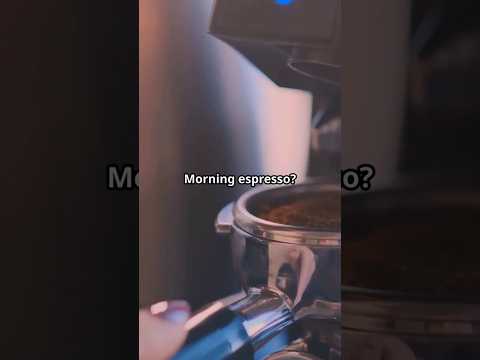
    The future isn’t just in our phones or cars anymore—it’s brewing right on your kitchen counter.

    As artificial intelligence (AI) becomes more integrated into our everyday lives, even the humble coffee machine is getting an upgrade. We’re entering a world where your morning cup isn’t just convenient—it’s intelligent. Imagine a coffee maker that learns your schedule, tracks your sleep patterns, senses your mood, and brews the perfect cup exactly when—and how—you need it.

    Welcome to the future of coffee.


    From Buttons to Brainpower: The Evolution of the Coffee Machine

    Traditional coffee machines did one thing: make coffee. Programmable ones took it a step further, letting us set timers or choose between a few brew styles. But AI-powered coffee machines? They take it to a whole new level.

    These smart appliances use machine learning algorithms and real-time data to customize the coffee experience like never before. Instead of pressing buttons, you’re interacting with a system that knows you—your preferences, your routine, and even your stress levels.

    This is more than convenience. It’s personalized, responsive automation.


    How AI Makes Your Coffee Smarter

    So how exactly does AI enhance your coffee experience?

    1. Learning Your Habits
      AI coffee machines can observe when you usually wake up, how often you drink coffee, and what type of brew you prefer. Over time, they optimize their performance to match your daily rhythm.
    2. Adapting to Your Mood
      Some advanced machines use biometric data—from wearables, smartwatches, or sleep trackers—to gauge your state. Feeling groggy? The machine may brew a stronger cup. Had a great night’s sleep? You might get a smoother, lighter roast.
    3. Voice & App Control
      Integrated with voice assistants like Alexa or Google Assistant, you can talk to your machine or schedule a brew from your phone. In some cases, AI can detect fatigue in your voice and offer to start brewing automatically.
    4. Maintenance Made Easy
      AI also tracks usage and wear, prompting cleaning, refills, or filter changes before problems arise—saving time and avoiding frustration.

    Why It Matters: AI in Everyday Life

    While a smart coffee machine might sound like a luxury, it’s part of a broader trend—AI in everyday appliances. From thermostats to fridges to vacuum cleaners, our homes are becoming intelligent ecosystems.

    Coffee is a daily ritual for millions. Making it smarter means creating a more seamless, responsive experience every day. It also raises an interesting point: when even our morning routines are being optimized by algorithms, where do we draw the line between convenience and control?


    Critics vs. Fans: Is This Genius or Overkill?

    Not everyone’s on board. Some argue this is technology going too far—do we really need a coffee machine that knows our stress levels?

    But others see it as the natural next step. If AI can save us time, reduce guesswork, and deliver a consistently perfect brew, why not? After all, we already rely on AI for music recommendations, navigation, even healthcare.

    The coffee machine is just another frontier.


    How AI Is Powering the Smart Coffee Machines of the Future.
    How AI Is Powering the Smart Coffee Machines of the Future.

    Final Sip: The Smart Brew of Tomorrow

    AI in coffee machines may seem like a novelty today, but it’s only the beginning. As tech advances, we’ll likely see more hyper-personalized appliances across every room of the house.

    Tomorrow’s coffee won’t just wake you up. It will understand you.

    So the next time your machine serves you the perfect cup without a single button press, remember: that’s not luck—that’s learning.

    And if that thought excites you—or creeps you out a bit—you’re not alone.


    Like what you’re reading?
    Check out more future-ready content at TechnoAIVolution on YouTube, where technology meets daily life in the most unexpected ways.

    #AICoffeeMachine #SmartCoffeeMaker #FutureOfCoffee #ArtificialIntelligence #SmartHomeTech #MachineLearning #SmartKitchen #HomeAutomation #TechnoAIVolution #EverydayAI #TechInnovation #AIInDailyLife

    P.S. The smartest tech isn’t always in your pocket—it might be sitting quietly on your countertop, learning your coffee habits one cup at a time. The future is brewing… and it tastes pretty damn good.

  • One Question That Will Instantly Change Your Perspective

    One Life-Changing Question — A Stoic Insight That Will Transform Your Perspective and Peace.
    One Life-Changing Question That Will Transform Your Perspective!

    One Life-Changing Question That Will Transform Your Perspective!

    We live in a world that constantly urges us to ask, “What do I want?”
    It’s a question built into modern society—linked to personal goals, material desires, and the pursuit of happiness. And while there’s nothing wrong with ambition, there’s another question—one far more powerful—that has the potential to radically transform how you see your life:

    “What does life want from me?”

    This question is more than a mindset shift—it’s a complete reorientation of how we engage with the world. It moves us from a self-centered lens to a purpose-driven life. Instead of seeing life as something to conquer, we begin to see it as something to collaborate with. And that changes everything.


    Why This Question Is Life-Changing

    Most people operate from a place of getting.

    • What can I get from this job?
    • What can I get from this relationship?
    • What can I get out of life?

    But the “get” mindset often leads to burnout, emptiness, and frustration. It puts you at the center of a story that never quite satisfies. When you flip that question—when you ask, “What does life want from me?”—you begin to connect to something deeper.

    You stop chasing, and start listening.

    This question invites presence. It invites awareness. It calls you to look at your unique gifts, your environment, your passions, and the needs of the world around you. It’s about service. Contribution. Meaning. And ironically, when you start giving, you also begin receiving—a deeper sense of fulfillment, direction, and joy.


    Purpose Over Pleasure

    Let’s face it—pleasure is fleeting.
    The dopamine hit from success or recognition doesn’t last. That’s why so many people hit their goals and still feel empty inside. But purpose? Purpose endures.

    When you ask what life wants from you, you begin aligning your actions with your values. You stop living on autopilot and start living with intention.

    Whether life is nudging you to share your story, help others, create, lead, or even rest—there’s power in listening. Sometimes, the answer isn’t loud. It’s quiet. It shows up as a pull in your gut or a whisper in your heart. The more you ask, the more you’ll hear.


    How to Practice This Mindset Shift

    You don’t need to overhaul your life overnight. Start small. Here are a few ways to begin:

    1. Pause daily and ask: “What is life asking from me today?”
    2. Reflect on challenges not just as obstacles, but as calls to action.
    3. Notice patterns in what people seek from you—your strengths often reveal your purpose.
    4. Journal when you feel stuck. Write down the question and let your thoughts flow.
    5. Stay open—the answer may come through people, events, or quiet moments.

    A New Lens on Living

    When you stop living for yourself alone, and begin living in alignment with life itself, you feel more grounded. You act with clarity. You attract better opportunities because your energy shifts from neediness to offering. You become someone who gives rather than takes—and in doing so, you create ripples far beyond yourself.

    This isn’t just a philosophical idea. It’s a practical, daily shift that can realign your goals, deepen your relationships, and unlock a more meaningful life.


    One Life-Changing Question That Will Transform Your Perspective!
    One Life-Changing Question That Will Transform Your Perspective!

    Final Thoughts

    Next time you feel confused, stuck, or unmotivated, pause and ask:
    “What does life want from me right now?”

    That one question can guide you toward a clearer path, a truer voice, and a more fulfilling existence.


    If this resonated with you, check out more wisdom drops at YourWisdomVault on YouTube, and don’t forget to share this post with someone who might need a new lens on life.

    #LifePurpose #MindsetShift #PersonalGrowth #SelfAwareness #ConsciousLiving #SpiritualAwakening #TransformationJourney #DeepQuestions #InnerWisdom #YourWisdomVault #LiveWithIntention #MeaningfulLiving #PurposeDrivenLife

    P.S. The answers we seek often begin with the right questions. Don’t wait for life to speak louder—start listening now. If this message stirred something in you, share it forward. Someone else might be waiting for the same shift.