Blog

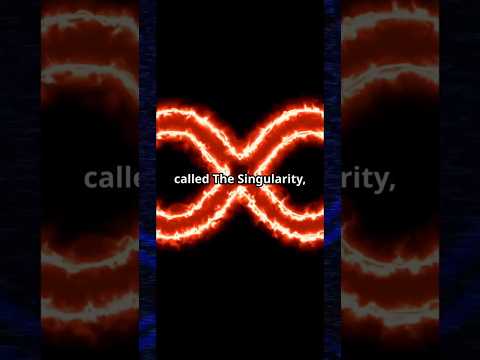
  • The Singularity? The Future Moment That Changes Everything.

    What Is the Singularity? The Future Moment That Changes Everything. #nextgenai #neuralnetworks
    What Is the Singularity? The Future Moment That Changes Everything.

    What Is the Singularity? The Future Moment That Changes Everything.

    Exploring the Rise of Superintelligent AI and the Future of Humanity

    In the world of science fiction, the idea of machines overtaking humanity is a familiar trope. But in the world of cutting-edge science and technology, it’s not just fiction anymore—it’s a real possibility known as the Technological Singularity.

    The Singularity refers to a future moment when artificial intelligence (AI) becomes so advanced that it surpasses human intelligence, leading to rapid and uncontrollable changes in society, science, and even what it means to be human. It’s not just another tech buzzword—it’s a tipping point that could redefine everything.

    So, what exactly is the Singularity? And how close are we to reaching it?


    Understanding the Technological Singularity

    The concept of the Singularity was popularized by mathematician and computer scientist Vernor Vinge, and later by futurist Ray Kurzweil. It describes a moment when AI becomes capable of recursive self-improvement—that is, when machines begin designing better versions of themselves at speeds we can’t match or predict.

    Once that threshold is crossed, technological progress could become exponential, not linear. In a matter of weeks—or even days—superintelligent AI could solve complex global problems, revolutionize industries, or… spiral beyond our control.


    What Happens at the Singularity?

    The Singularity represents a profound shift in how we interact with technology—and how technology interacts with us.

    Here are a few potential outcomes:

    • Superintelligence: Machines may become billions of times smarter than humans, capable of solving problems in medicine, energy, physics, and climate change at speeds we can’t imagine.
    • Automation of Innovation: AI could begin creating new technologies faster than humans can understand them—ushering in a new age of scientific discovery.
    • Loss of Control: If AI advances without proper safeguards, it may no longer align with human values or interests. This is often referred to as the “control problem” in AI safety circles.
    • Post-Human Civilization: Some futurists believe the Singularity could lead to transhumanism—a merging of biological and digital intelligence that blurs the line between man and machine.

    Are We Close to the Singularity?

    Estimates vary. Some researchers believe the Singularity could occur within the next few decades—Ray Kurzweil famously predicted 2045. Others are more skeptical, pointing out the current limitations in AI, such as understanding context, emotion, and abstract reasoning.

    However, the rapid progress in machine learning, neural networks, and language models (like the one you’re reading right now) has brought us closer to a world where machines can think, create, and adapt on their own.

    Even if the Singularity isn’t right around the corner, the groundwork is being laid today—and the implications are already reshaping industries and conversations around the world.


    Why the Singularity Matters

    The Singularity isn’t just a tech milestone—it’s a philosophical and existential moment. It forces us to ask big questions:

    • What happens to human identity when machines can outperform us intellectually?
    • Will AI serve us—or rule us?
    • How do we ensure ethics and safety in a world driven by self-evolving algorithms?

    Whether it leads to a golden age of human flourishing or a dystopian collapse, one thing is certain: once the Singularity hits, there’s no going back.


    What Is the Singularity? The Future Moment That Changes Everything.
    What Is the Singularity? The Future Moment That Changes Everything.

    Final Thoughts

    The idea of the Singularity can feel overwhelming—or even terrifying. But it’s also a chance to reflect on what kind of future we want to build. We’re not just passive observers. We’re the ones designing, coding, and steering the technologies that will shape tomorrow.

    As AI continues to evolve, staying informed isn’t just smart—it’s essential.

    So… what is the Singularity?
    It’s the moment when the future becomes something we can no longer predict—only prepare for.


    For more insights on artificial intelligence, emerging tech, and the edge of human evolution, follow TechnoAivolution on YouTube—where the future gets decoded.

    #Singularity #TechnologicalSingularity #ArtificialIntelligence #FutureOfAI #Superintelligence #Transhumanism #AIvsHuman #ExponentialTech #AIRevolution #TechnoAivolution #MachineLearning #DigitalFuture #PostHumanEra #RecursiveAI #FutureThinking

    P.S. The future isn’t waiting for permission. The Singularity might be closer than we think—and when it arrives, we’ll either control it… or become part of it.

  • What Marcus Aurelius Would Say About Modern-Day Problems

    What Marcus Aurelius Would Say About Your Modern-Day Problems — Timeless Advice for Peace.
    What Marcus Aurelius Would Say About Your Modern-Day Problems.

    What Marcus Aurelius Would Say About Your Modern-Day Problems.

    Timeless Stoic Wisdom for the Chaos of Today

    In a world of endless notifications, rising anxiety, and constant comparison, it’s easy to feel overwhelmed. But what if the key to handling modern life came from an ancient Roman emperor? That’s where Marcus Aurelius, one of history’s greatest Stoic philosophers, still speaks to us today.

    You may be facing bills, burnout, deadlines, or emotional stress. Marcus faced plagues, political betrayal, and the pressure of ruling the Roman Empire. And yet, through it all, he found clarity—not by changing the world around him, but by changing the way he thought about it.

    Here’s what Marcus Aurelius would likely say about your modern-day problems—and why his words are more relevant now than ever.


    “You Have Power Over Your Mind—Not Outside Events”

    This core Stoic principle is one of Marcus’s most quoted lines, and for good reason. In his Meditations, he reminds himself (and us) that the external world is full of chaos and unpredictability. But our power lies in how we respond.

    When your boss is unreasonable, traffic is a mess, or life throws you something unfair—you don’t control the event. But you do control your mindset, your attitude, and your reaction.

    This idea is more than just “positive thinking.” It’s about recognizing your sphere of control and not wasting emotional energy on things you can’t change. That’s powerful in any era—but especially now when digital noise constantly pulls at your attention.


    Modern Problems, Ancient Perspective

    Marcus Aurelius wouldn’t scroll through social media—but he knew all about envy, distraction, and the fear of missing out. He wrote about the danger of comparing yourself to others and chasing things that don’t matter.

    He might say something like:

    “You’re anxious because you’ve forgotten what truly matters: virtue, clarity, and action. Not likes. Not opinions. Not outcomes you can’t control.”

    Modern stress often stems from attachment to outcomes, from constantly needing things to go “right.” Marcus would remind us that peace comes not from things going our way—but from responding with wisdom when they don’t.


    “The Obstacle Is the Way”

    This is a Stoic mindset that Marcus championed long before it became a popular book title. Every problem you face is not just a burden—it’s an opportunity.

    A failed project? A chance to learn.
    A broken relationship? A test of forgiveness and strength.
    Financial trouble? A lesson in discipline and values.

    Marcus would challenge you to reframe your problems not as punishments, but as paths to growth. In the Stoic worldview, everything life throws at you is material to work with—not a reason to quit.


    Your Stress Is Real—But So Is Your Strength

    Marcus wouldn’t dismiss your feelings. He’d acknowledge the pain, the fatigue, the fear. But he’d also remind you that you are stronger than you think.

    His meditations weren’t written for an audience—they were personal notes, meant to remind himself to endure with reason and calm. That’s what makes them so powerful: they’re honest, human, and raw.

    He’d likely say to you:

    “Yes, this is hard. But so were the days before—and you’re still here. That means you can handle this too.”


    What Marcus Aurelius Would Say About Your Modern-Day Problems.
    What Marcus Aurelius Would Say About Your Modern-Day Problems.

    Final Thoughts: What Would Marcus Say Today?

    If Marcus Aurelius were alive right now, he wouldn’t waste time complaining. He wouldn’t blame the news, social media, or other people for his inner state.
    He’d reflect.
    He’d act with purpose.
    He’d stay centered—while the world spun around him.

    And he’d encourage you to do the same.

    Your problems may feel overwhelming, but you’re not powerless. You control your response. Your mindset. Your next move.

    So the next time you’re stuck, anxious, or angry, ask yourself:
    What would Marcus Aurelius say about this?

    You may already know the answer. You just need to live it.


    For more bite-sized Stoic wisdom, ancient insights, and modern mindset shifts, follow YourWisdomVault on YouTube—where philosophy meets real life.

    #MarcusAurelius #Stoicism #StoicWisdom #AncientPhilosophy #ModernStoic #InnerStrength #EmotionalResilience #DailyStoic #LifeAdvice #MindsetMatters #YourWisdomVault #OvercomingObstacles #PhilosophyOfLife #MentalClarity #SelfImprovement

    P.S. Life won’t always go your way—but Marcus Aurelius would remind you: it’s not the chaos outside that defines you, but the calm you carry within.

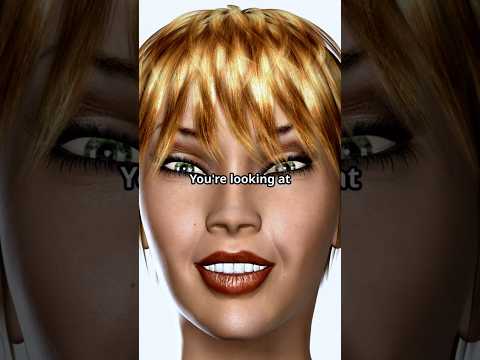
  • This Is Not a Real Person: How AI Avatars Change Reality

    This Is Not a Real Person: How AI Avatars Are Changing Reality. #technology #nextgenai
    This Is Not a Real Person: How AI Avatars Are Changing Reality.

    This Is Not a Real Person: How AI Avatars Are Changing Reality.

    What if the person you’re talking to online… isn’t real?
    Not a scammer. Not anonymous. Not hiding behind a screen.
    But literally not human—an AI-generated avatar designed to look, sound, and even feel like a real person.

    Welcome to the new frontier of synthetic media, where AI avatars, deepfake technology, and digital humans are blending into our everyday lives—and reshaping how we perceive reality.


    What Are AI Avatars?

    AI avatars are computer-generated characters powered by advanced machine learning and deep neural networks. Unlike basic chatbots or animated icons, these avatars can now speak, emote, blink, and move in ways that are almost indistinguishable from real people.

    Whether it’s a customer service rep with perfect patience, a virtual influencer racking up millions of followers, or a deepfake of a celebrity saying things they never actually said—AI avatars are showing up everywhere.

    In fact, you’ve probably seen them without even realizing it.


    Where Are They Being Used?

    The applications for AI-generated humans are expanding fast:

    • Marketing & Advertising: Companies are using digital spokespeople to sell products 24/7—perfect hair, flawless delivery, and no PR scandals.
    • Entertainment: AI actors can perform endlessly, take direction without fatigue, and age backward (or not at all).
    • Customer Support: Avatars powered by AI handle queries with endless patience and growing intelligence.
    • Education & Training: Virtual tutors can adapt to different learning styles and simulate human interaction.
    • Social Media: Influencers like Lil Miquela—an entirely fictional character—have built massive followings, securing brand deals as if they were real.

    Deepfakes and Digital Ethics

    Of course, not all uses are harmless.
    Deepfake technology, which relies on similar AI tools, has raised serious concerns. Videos of public figures saying or doing things they never did can now be generated with shocking realism.

    Worse, AI avatars can be used to impersonate you.
    Your voice, your face, your mannerisms—fed into algorithms and turned into a version of you that you never created and can’t control. The line between identity and simulation is getting dangerously thin.

    As synthetic media becomes harder to detect, we’re entering a world where trust, authenticity, and even consent are being redefined.


    The Psychological Impact

    There’s also a growing psychological dimension.
    What happens when people form emotional connections with digital beings? Virtual therapists, AI companions, and even synthetic romantic partners are already being developed.

    Are we talking to a person—or just a mirror of what we want to hear?

    This shift challenges how we relate to others, and how we define what’s real in the first place.


    The Future: Are AI Avatars the New Normal?

    It’s no longer sci-fi. AI avatars are already embedded in our digital lives—and they’re only getting better. As tech continues to evolve, it’s likely we’ll see AI humans working alongside us, entertaining us, and even representing us.

    But the question we all need to ask is this:
    If something looks human, acts human, and even feels human—does it matter that it’s not?

    How do we navigate a future where reality can be generated on demand?


    This Is Not a Real Person: How AI Avatars Are Changing Reality.
    This Is Not a Real Person: How AI Avatars Are Changing Reality.

    Final Thoughts

    AI avatars are here—and they’re not going away.
    They offer incredible potential for efficiency, creativity, and innovation. But they also come with serious questions about ethics, identity, and trust in the digital age.

    We’ve crossed a threshold.
    The digital and the human are no longer separate. They’re merging.

    So the next time you see a face online, ask yourself:
    Is this a real person?


    Stay informed, stay curious, and keep questioning what’s real.
    Follow TechnoAivolution on YouTube for more insights into the future of AI, digital identity, and the evolution of human-machine interaction.

    #AIAvatars #DigitalHumans #SyntheticMedia #DeepfakeTechnology #ArtificialIntelligence #VirtualInfluencers #AIIdentity #TechnoAivolution #FutureOfAI #MachineLearning #AIvsReality #DigitalEthics #NeuralNetworks #MetaverseAvatars

    P.S. In a world where anyone—or anything—can look real, the ability to question what you see may become your most powerful tool. Stay sharp. Stay aware.

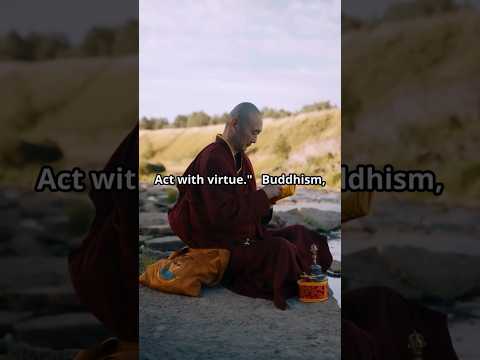
  • Stoicism vs Buddhism: Key Differences-Mindset & Inner Peace

    Stoicism vs. Buddhism — Key Differences in Mindset, Inner Peace, and the Path to Freedom.
    Stoicism vs Buddhism: Key Differences in Mindset & Inner Peace.

    Stoicism vs Buddhism: Key Differences in Mindset & Inner Peace.

    When it comes to timeless wisdom for living a peaceful and meaningful life, Stoicism and Buddhism stand out as two of the most respected and widely studied philosophies. Although they developed in entirely different parts of the world—Stoicism in ancient Greece and Rome, and Buddhism in ancient India—they share a surprising number of similarities. Both offer powerful guidance on how to reduce suffering, cultivate emotional resilience, and live with purpose.

    Yet at their core, Stoicism and Buddhism differ in profound ways. Let’s explore what sets them apart—and how each path can help you find your own version of inner peace.


    The Similarities: A Shared Goal of Inner Calm

    Both Stoicism and Buddhism are deeply concerned with the inner life. They teach that true happiness does not come from external circumstances, but from within. Both philosophies offer tools to help us navigate pain, uncertainty, and loss—without being controlled by them.

    In Stoicism, this means focusing only on what you can control: your thoughts, your actions, and your attitude. In Buddhism, it means recognizing that attachment and desire are the roots of suffering, and that liberation comes from seeing through the illusion of self.

    Both traditions encourage mindfulness, self-discipline, and compassion. They promote living in the present moment, not being ruled by fleeting emotions or external events. This makes both incredibly relevant in our modern world, where stress and distraction are at an all-time high.


    The Key Differences: Control vs Liberation

    The primary difference between Stoicism and Buddhism lies in their view of the self and the ultimate goal of the practice.

    Stoicism is about mastering the self in the face of life’s inevitable hardships. It teaches you to stand firm, accept what you cannot change, and live with integrity. Think of Marcus Aurelius writing in Meditations: “You have power over your mind—not outside events. Realize this, and you will find strength.” In Stoicism, the self is something to be strengthened, refined, and guided by reason and virtue.

    Buddhism, in contrast, teaches that the self is an illusion. The ego, with all its desires and fears, is the source of suffering. The Buddhist path is one of liberation from the self, through practices like meditation, mindfulness, and ethical living. The goal is not to strengthen the self, but to transcend it—to awaken to a deeper truth beyond identity and separation.

    So, while Stoicism embraces the storm with a calm and rational mind, Buddhism encourages us to see that the storm itself may be nothing more than a projection of our attachments and false beliefs.


    Which One Is “Better”?

    That depends entirely on your personal mindset and spiritual goals. If you’re looking for practical tools to improve your emotional resilience, face challenges head-on, and live ethically in the world, Stoicism may speak to you. If you’re seeking spiritual liberation, peace beyond the ego, and a deeper understanding of reality, Buddhism offers a profound path.

    Many people today actually draw from both traditions, using Stoic principles for navigating daily life, and Buddhist teachings for inner exploration and mindfulness. There’s no rule saying you can’t benefit from the wisdom of both.


    Final Thoughts

    At the heart of both Stoicism and Buddhism is the desire to end suffering and live a life of clarity, calm, and compassion. They just take different roads to get there.

    One trains you to master your mind.
    The other shows you how to let go of your mind entirely.

    Whichever path you choose—or even if you walk a bit of both—you’re taking steps toward a wiser, more peaceful life.

    Stoicism vs Buddhism: Key Differences in Mindset & Inner Peace.

    Looking to explore more bite-sized wisdom on philosophy, mindset, and inner peace?
    Follow YourWisdomVault on YouTube for weekly insights that make ancient ideas feel fresh, modern, and deeply personal.

    #Stoicism #Buddhism #Mindfulness #InnerPeace #EmotionalResilience #SelfAwareness #LetGoOfEgo #PhilosophyOfLife #SpiritualGrowth #DailyWisdom #ModernStoicism #BuddhistWisdom #AncientPhilosophy #YourWisdomVault

    P.S. The journey to inner peace doesn’t have to follow just one path—sometimes, the most powerful wisdom comes from blending traditions. Keep exploring. Keep growing. And remember: your inner vault is deeper than you think.