Tag: Buddha teachings

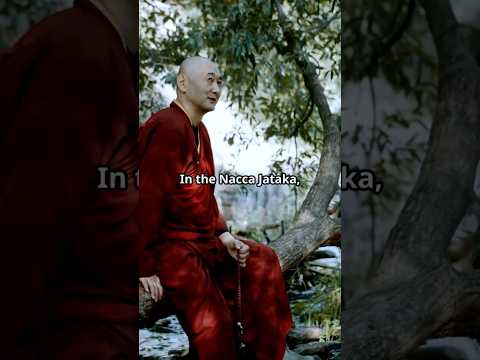
  • Nacca Jataka | Buddhist Moral Story & Timeless Wisdom.

    Nacca Jataka | Buddhist Moral Story & Timeless Wisdom | Inspiring Lesson on Mindfulness and Virtue.
    Nacca Jataka | Buddhist Moral Story & Timeless Wisdom.

    Nacca Jataka | Buddhist Moral Story & Timeless Wisdom.

    The Jataka tales are among the most beloved Buddhist stories, passed down through generations to teach moral lessons and inspire spiritual practice. Each tale represents one of the Buddha’s past lives, showing how virtues like wisdom, patience, and compassion were cultivated across countless existences. One such story is the Nacca Jataka, which offers a timeless teaching on the dangers of pride and the value of humility.

    The Story of the Nacca Jataka

    In the Nacca Jataka, the Bodhisatta is reborn as a calm and wise ascetic. He lives simply, devoting his life to inner peace and self-mastery. One day, a conceited dancer arrives in the same place. The dancer is known for his beauty, skill, and confidence, but also for his arrogance. Seeing the ascetic, the dancer mocks him, boasting loudly about his abilities and ridiculing the simplicity of the sage’s life.

    When the time comes to display his talent, the dancer fails miserably. His pride and lack of discipline cause him to stumble, and his performance collapses in embarrassment. In contrast, the ascetic’s quiet dignity and steady composure earn the respect of everyone present.

    This tale reveals a deep truth: outward talent and beauty may capture attention, but only humility and wisdom earn lasting honor.

    Lessons from the Tale

    The Nacca Jataka is more than an entertaining fable. It conveys powerful lessons that remain relevant for our daily lives:

    • Pride brings downfall: Arrogance blinds us to our weaknesses and often leads to failure.
    • Humility earns respect: People value integrity and sincerity more than empty boasts.
    • Inner character matters most: Outward appearances fade, but inner qualities endure.
    • Wisdom shines quietly: True greatness does not need to announce itself.

    These lessons remind us that our worth is measured not by how loudly we proclaim our gifts, but by how we live with compassion, patience, and humility.

    Relevance in Daily Life

    This Jataka tale offers guidance that is strikingly relevant to modern times. In a world where appearances, status, and performance are typically celebrated above character, the story challenges us to look deeper. Social media may reward self-promotion, but true respect still comes from sincerity and humility.

    At work, in relationships, and in spiritual practice, arrogance can close doors while humility opens them. By practicing modesty, we make space for growth, learning, and genuine connection with others.

    Buddhist Wisdom in the Jataka Tales

    Stories like the Nacca Jataka highlight the Buddha’s journey through countless lives as he developed the virtues needed for enlightenment. Each tale invites reflection: where do we see pride in our lives? How can we cultivate humility instead?

    These questions are not abstract. They are practical tools for daily mindfulness. Every time we resist the urge to boast, every time we choose humility over arrogance, we walk a little closer to wisdom.

    Conclusion

    The Nacca Jataka teaches that pride leads to downfall, while humility brings lasting respect. Through the image of a proud dancer and a humble ascetic, the story illustrates that outward beauty and skill are fleeting, but inner wisdom is timeless.

    By applying this lesson, we can approach life with patience, kindness, and humility. These qualities not only protect us from the pitfalls of arrogance but also draw others toward us with trust and respect.

    The Jataka tales continue to offer timeless guidance, and this story is a shining reminder that true greatness lies not in prideful display but in quiet dignity.

    Nacca Jataka | Buddhist Moral Story & Timeless Wisdom.
    Nacca Jataka | Buddhist Moral Story & Timeless Wisdom.

    PS: If this story from the Nacca Jataka inspired you, subscribe to YourWisdomVault on YouTube for more Buddhist wisdom, Jataka tales, and moral teachings. 🌿🙏

    #NaccaJataka #JatakaTales #Buddhism #BuddhistWisdom #YourWisdomVault
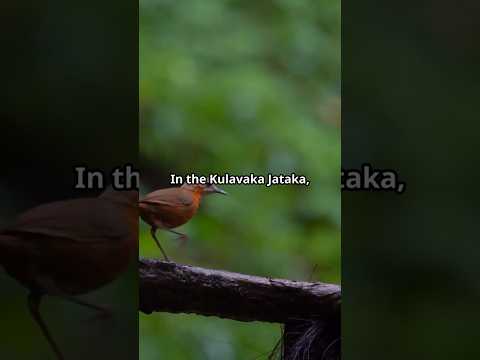
  • Kulavaka Jataka | Buddhist Wisdom & Moral Story Explained.

    Kulavaka Jataka | Buddhist Wisdom & Moral Story Explained | Timeless Lesson on Compassion.
    Kulavaka Jataka | Buddhist Wisdom & Moral Story Explained.

    Kulavaka Jataka | Buddhist Wisdom & Moral Story Explained.

    The Jataka tales are timeless Buddhist stories that preserve the compassion and wisdom of the Buddha across his many lifetimes. Each story conveys a moral lesson designed to guide us toward mindfulness, kindness, and spiritual growth. Among these narratives is the Kulavaka Jataka, a tale that demonstrates how even the smallest being can make a powerful difference through courage and determination.

    The Story of the Kulavaka Jataka

    In the Kulavaka Jataka, the Bodhisatta is reborn as a tiny bird living in a dense forest. One day, disaster strikes—a massive fire breaks out, spreading rapidly through the trees. The flames threaten to destroy the entire forest and all the creatures within it.

    The animals panic. Lions, elephants, and deer run desperately to save their lives, convinced that nothing can stop the destruction. They believe the fire is too powerful for anyone to challenge.

    But the little bird refuses to give up. With wings too small to carry much, it flies back and forth tirelessly, scooping up drops of water and releasing them over the flames. The effort seems hopeless, but the bird remains steadfast, driven by compassion for the forest and all its inhabitants.

    The gods observe this extraordinary determination. Moved by the bird’s selflessness and unshakable courage, they send down rain from the heavens. The storm extinguishes the fire, saving the forest and proving that even the smallest act of effort can spark miraculous change.

    Moral and Lessons

    The Kulavaka Jataka carries a message that remains just as relevant today as it was centuries ago. True greatness does not depend on size, wealth, or power. Instead, it emerges from effort, determination, and the desire to help others.

    This Jataka tale reminds us that:

    • Even small actions can create significant impact.
    • Courage is shown by persistence, not by physical strength.
    • Compassion has the power to inspire forces greater than ourselves.
    • Selfless intention can transform overwhelming challenges into hopeful victories.

    The Bodhisatta’s actions as a tiny bird teach us that every contribution matters, no matter how insignificant it may appear at first glance.

    Relevance in Daily Life

    The Kulavaka Jataka is more than an ancient fable; it is a guide for modern living. In our daily lives, we often face situations where our efforts feel too small to count. Whether it is contributing to environmental protection, helping a neighbor, or practicing kindness in small interactions, the story encourages us to act.

    When many small actions come together, they create large-scale transformation. Recycling one bottle may not stop pollution, but millions of people recycling can heal ecosystems. Offering one kind word may not change the world, but it can change someone’s day—and that ripple can extend farther than we imagine.

    Buddhist Wisdom in the Jataka Tales

    The Jataka tales, including the Kulavaka Jataka, illustrate the Buddha’s countless lifetimes of cultivating virtues such as patience, generosity, and wisdom. They show that enlightenment is not achieved in a single moment, but through consistent practice over many lives. Each story becomes both a reflection of the Bodhisatta’s journey and a mirror for our growth.

    These tales invite us to examine our lives. Are we acting with compassion? Are we persisting when challenges feel overwhelming? Are we contributing to the well-being of others, even in small ways? In this sense, the Jataka tales are not just ancient folklore but practical teachings for spiritual development.

    Conclusion

    The Kulavaka Jataka is far more than a story about a bird and a fire. It is a profound reminder that determination, courage, and compassion can overcome even the greatest challenges. The tiny bird did not measure success by the size of its wings but by the strength of its intention.

    By applying this wisdom in our daily lives, we can approach obstacles with resilience and believe in the impact of our actions. The Jataka tales, with their timeless insights, continue to light the way for those who seek mindfulness, kindness, and spiritual growth.

    Kulavaka Jataka | Buddhist Wisdom & Moral Story Explained.
    Kulavaka Jataka | Buddhist Wisdom & Moral Story Explained.

    PS: If you enjoyed this story and want to explore more timeless Buddhist wisdom, subscribe to YourWisdomVault on YouTube for weekly Jataka tales and moral stories. 🙏✨

    #KulavakaJataka #JatakaTales #BuddhistWisdom #MoralStories #YourWisdomVault

  • Mahilamukha Jataka—Buddhist Parable on Desire.

    Mahilamukha Jataka – Buddhist Parable on Desire | Timeless Lesson on Greed and Wisdom.
    Mahilamukha Jataka—Buddhist Parable on Desire.

    Mahilamukha Jataka—Buddhist Parable on Desire.

    Stories have always been a powerful way to share wisdom, and in Buddhism the Jataka tales serve this role beautifully. These narratives recount the past lives of the Buddha, each one offering timeless lessons about compassion, patience, mindfulness, and wisdom. Among them, the Mahilamukha Jataka stands out as a striking parable on desire and influence. It is not only a moral teaching but also a reminder that the company we keep and the voices we listen to can shape our entire path in life.

    What Are Jataka Tales?

    Jataka tales are a collection of over five hundred stories that illustrate the moral and spiritual journey of the Buddha. They are told in monasteries, schools, and homes across Buddhist cultures, often serving both as teaching material and as entertainment. These stories highlight human struggles that are as relevant today as they were centuries ago. The Mahilamukha Jataka is a vivid example that shows how easily the mind can be led astray when it falls under the sway of harmful influences.

    The Story of the Mahilamukha Jataka

    The parable tells of an elephant king, admired for his noble heart and gentle nature. He lived peacefully, bringing security to the people who depended on him. However, trouble began when he started listening to voices filled with corruption and malice. Day by day, these whispers worked their way into his mind. Slowly, the once-kind elephant king became angry and destructive.

    Those who once loved him grew fearful, puzzled by the transformation. The Buddha explained that the elephant’s downfall reflected a deeper truth: our lives are shaped by the company we keep, and our thoughts are molded by the influences we allow into our minds. Just as the elephant king’s noble nature was twisted by harmful voices, we too risk losing clarity if we surround ourselves with negativity.

    Moral Lessons from the Parable

    The Mahilamukha Jataka conveys several powerful teachings:

    1. Guard the Mind Carefully—Our thoughts are like fertile soil. Positive seeds grow into wisdom, while negative seeds grow into confusion and suffering.
    2. Choose Influences Wisely—Just as the elephant king was led astray, we too can be swayed by the people and media we allow into our lives.
    3. Practice Mindfulness—Awareness is our shield against harmful desire. By observing thoughts and emotions, we prevent negativity from taking root.
    4. Leadership and Responsibility—Leaders are especially vulnerable to the surrounding voices. The story reminds us that true leadership requires discernment and inner clarity.

    These lessons transcend cultural boundaries, offering guidance for anyone seeking a life of peace and purpose.

    Relevance in Modern Life

    Although the story comes from an ancient collection, the Mahilamukha Jataka resonates strongly in the modern world. Today, we live in an age of constant information, where voices of influence reach us from every direction—social media, news, advertisements, and personal networks. Without mindfulness, it is easy to absorb negativity, just as the elephant king did.

    The parable also applies to leadership in business, politics, and community life. Leaders who surround themselves with dishonest or greedy voices risk losing integrity, and in turn, they cause harm to those who depend on them. For individuals, the lesson is equally clear: seek uplifting influences, cultivate mindfulness, and remain steady on the path of wisdom.

    Conclusion

    The Mahilamukha Jataka remains one of the most powerful Buddhist parables on desire, influence, and mindfulness. Its message is timeless: protect your mind, avoid destructive voices, and nurture positive companions who encourage growth. Through awareness and wise choices, we can prevent desire and negativity from overwhelming us.

    For centuries, Jataka tales have guided seekers toward truth, blending storytelling with spiritual insight. By reflecting on the Mahilamukha Jataka, we are reminded that real strength comes not from power or status but from inner clarity and the courage to choose wisdom over corruption. This lesson is as valuable today as it was in the time of the Buddha, offering guidance for anyone seeking peace in a noisy and distracted world.

    Mahilamukha Jataka—Buddhist Parable on Desire.
    Mahilamukha Jataka—Buddhist Parable on Desire.

    PS: If you enjoyed learning from the Mahilamukha Jataka, don’t forget to subscribe to YourWisdomVault on YouTube for more Buddhist stories, Jataka tales, and timeless wisdom shared every week.

    #MahilamukhaJataka #JatakaTales #BuddhistStories #Buddhism #AncientWisdom #Mindfulness #LifeLessons #SpiritualWisdom #YourWisdomVault

  • Tittha Jataka—Buddhist Parable of Unity & Wisdom.

    Tittha Jataka — Buddhist Parable of Unity & Wisdom | Timeless Lesson on Harmony and Understanding.
    Tittha Jataka—Buddhist Parable of Unity & Wisdom.

    Tittha Jataka—Buddhist Parable of Unity & Wisdom.

    The Tittha Jataka is one of the classic Buddhist tales that illustrates the importance of perspective, humility, and unity. Shared by the Buddha as a teaching story, it highlights how clinging to narrow viewpoints can lead to division and conflict. Even today, its lesson feels timeless and highly practical, offering guidance for both personal and social harmony.

    The Story

    In the tale, a group of blind men encounter an elephant for the first time. Each man touches a different part of the animal and draws his own conclusion.

    • The man touching the trunk insists the elephant is like a thick rope.
    • The one holding the tusk argues it is sharp and solid.
    • Another, feeling the ear, claims it is wide and flat like a fan.
    • A man at the leg declares it is like a strong pillar.
    • The one touching the tail says the animal is like a rope, while another holding its side believes it is like a wall.

    They begin to argue fiercely, each convinced his limited view represents the full truth. The Buddha used this parable to show how partial understanding often leads to conflict, especially when pride prevents people from listening to one another.

    Meaning and Lesson

    The Tittha Jataka teaches that truth is bigger than any one perspective. Each person was partly correct, but none held the complete reality. The lesson encourages us to approach knowledge with humility and openness. Instead of clinging to rigid opinions, we can recognize the value in listening to others and embracing multiple viewpoints.

    This wisdom reminds us that division often arises when people mistake fragments of truth for the whole picture. By stepping back and broadening our view, we find unity instead of quarrel.

    Practical Application

    The parable is not just an ancient story—it carries lessons we can use every day.

    1. In Relationships—Many conflicts with family or friends arise because each person clings to a single perspective. Remembering that others may see things differently allows space for compromise and understanding.
    2. In communities, diversity of opinion is often treated as a threat, yet it is actually a strength. When leaders and groups respect multiple voices, the result is deeper wisdom and stronger unity.
    3. In the Workplace—Projects and collaborations thrive when people combine their different perspectives instead of arguing over whose idea is superior.
    4. In personal growth, recognizing our limits helps us stay curious and continue learning. Instead of believing we know everything, we can humbly seek insight from others.

    The Tittha Jataka reminds us that mindful awareness and compassion open the door to deeper understanding.

    Relevance Today

    Although this parable is centuries old, its meaning is more relevant than ever. In an age of constant debate, online arguments, and social division, people often act like the blind men around the elephant. Each person clings to a narrow perspective and insists it is the whole truth.

    By reflecting on the story, we realize the importance of stepping back and listening with openness. Whether in politics, culture, or daily interactions, true wisdom comes when we acknowledge that our understanding is incomplete.

    Applying this teaching does not mean giving up our views, but rather holding them lightly. It means recognizing that others also hold valuable pieces of truth. When practiced, this approach brings more empathy, peace, and unity into the world.

    Conclusion

    The Tittha Jataka is more than a Buddhist parable; it is a guide for modern living. Its lesson is simple yet profound: do not cling to narrow views, for wisdom comes from seeing the larger picture. When we practice humility, openness, and compassion, we walk closer to the harmony that the Buddha encouraged.

    Through reflection on this timeless teaching, we can carry its message into our daily lives—listening deeply, respecting differences, and choosing unity over conflict.

    Tittha Jataka—Buddhist Parable of Unity & Wisdom.
    Tittha Jataka—Buddhist Parable of Unity & Wisdom.

    P.S. If you enjoyed exploring the wisdom of the Tittha Jataka, don’t forget to subscribe to YourWisdomVault on YouTube for more inspiring Buddhist parables and timeless life lessons.

    #TitthaJataka #Buddhism #JatakaTales #BuddhistStories #Wisdom #Mindfulness #Unity #LifeLessons #YourWisdomVault