Tag: Buddha teachings

  • Maluta Jataka—Ancient Buddhist Story of Greed and Folly.

    Maluta Jataka – Ancient Buddhist Story of Greed and Folly | Timeless Lesson on Desire and Wisdom.
    Maluta Jataka—Ancient Buddhist Story of Greed and Folly.

    Maluta Jataka—Ancient Buddhist Story of Greed and Folly.

    The Maluta Jataka is one of the classic Buddhist Jataka tales, offering not only a story from the Buddha’s past lives but also a moral reflection for everyday life. These tales have been cherished for centuries because they reveal how human flaws, like greed and arrogance, can lead to suffering, while wisdom and humility open the path to peace. In this story, a king is blinded by his craving for power and possessions, ignoring wise advice until his downfall becomes inevitable.

    The Role of Jataka Tales in Buddhism

    Jataka tales hold a special place in Buddhist tradition. They recount the Buddha’s previous lives as humans, kings, animals, and even deities, each time demonstrating how virtues such as generosity, patience, and compassion were cultivated. These stories were not meant for entertainment alone but for teaching. Monks shared them with communities to pass on lessons of morality in simple, relatable ways. Among this collection, the Maluta Jataka stands out for its warning about greed and folly.

    The Story Retold

    The central figure in the Maluta Jataka is a powerful king who is overtaken by arrogance. Although he had access to wise counselors, he believed himself above their guidance. His greed pushed him to pursue desires that were not only unnecessary but also harmful. As the story unfolds, his inability to listen to reason causes his eventual ruin. The Buddha, recounting this episode from a past life, used it to remind listeners that pride clouds judgment and greed consumes the heart.

    The Lesson on Greed

    The moral lesson of the Maluta Jataka lies in its clear depiction of how greed destroys balance. Greed is never satisfied; the more one has, the more one desires. When combined with arrogance, it blinds the mind to wisdom. The king’s choices were not simply mistakes; they were the direct result of ignoring guidance and allowing craving to rule his actions. The teaching is clear: restraint, mindfulness, and humility are the foundations of lasting peace.

    Folly and Arrogance

    Another central theme of this tale is folly. Folly arises when pride convinces us that we know best, even when wiser voices warn otherwise. The king’s arrogance turned him deaf to advice, leading him toward ruin. In Buddhist thought, arrogance is considered a barrier to awakening, because it prevents us from learning and seeing reality clearly. The Maluta Jataka illustrates this vividly, making it a timeless lesson for rulers, leaders, and ordinary people alike.

    Lessons for Modern Life

    Though the story is centuries old, the message of the Maluta Jataka feels relevant today. In modern society, the pursuit of wealth, success, or recognition often blinds people to what truly matters. We may ignore the advice of those who care for us, or overlook the inner voice that urges restraint. Like the king, we risk letting craving drive us into harmful decisions. By reflecting on this Jataka tale, we are reminded to slow down, listen, and practice mindfulness in our choices.

    Why the Story Endures

    The strength of Jataka tales lies in their ability to connect across time and culture. They are not abstract philosophical texts but human stories with relatable flaws and outcomes. The Maluta Jataka endures because its themes—greed, arrogance, and folly—are still part of daily life. The story resonates whether we are thinking about leaders who abuse power or about our small struggles with desire. Its teaching encourages us to let go of arrogance and embrace clarity.

    Conclusion

    The Maluta Jataka is more than an ancient tale; it is a mirror reflecting our ongoing human struggle with greed and pride. By studying it, we are reminded that true strength is not found in wealth or authority but in the practice of humility and wisdom. The story challenges us to live more mindfully, to listen to guidance, and to avoid being blinded by craving. In doing so, we carry forward the timeless wisdom that has guided generations toward greater peace and understanding.

    Maluta Jataka—Ancient Buddhist Story of Greed and Folly.
    Maluta Jataka—Ancient Buddhist Story of Greed and Folly.

    PS: If this story inspired reflection, consider subscribing to YourWisdomVault on YouTube for more Buddhist tales, timeless wisdom, and mindful living insights. 🪷

    #MalutaJataka #BuddhistStories #YourWisdomVault #AncientWisdom #Mindfulness

  • Nigrodhamiga Jataka: Buddhist Tale of Compassion & Wisdom.

    Nigrodhamiga Jataka: A Buddhist Tale of Compassion & Wisdom, Teaching Kindness and Courage.
    Nigrodhamiga Jataka: Buddhist Tale of Compassion & Wisdom.

    Nigrodhamiga Jataka: Buddhist Tale of Compassion & Wisdom.

    Among the many treasured stories found in Buddhist literature, the Nigrodhamiga Jataka stands out as a radiant symbol of compassion, leadership, and moral courage. The Jataka tales—narratives of the Buddha’s previous lives—are designed to highlight the virtues he cultivated on his path to enlightenment. This particular story, centered on a golden deer with extraordinary wisdom, has been told for centuries to remind people that true strength lies not in domination, but in kindness.

    What Is the Nigrodhamiga Jataka?

    The Jataka tales are among the most influential works in Buddhist storytelling. Each tale illustrates a different virtue, weaving together folklore, moral guidance, and spiritual lessons. In the Nigrodhamiga Jataka, the Buddha is reborn as Nigrodhamiga, a golden deer who possesses not only physical beauty but also great wisdom and compassion. Unlike ordinary leaders, he rules over his herd with gentleness, ensuring safety and harmony rather than fear.

    The Story of the Golden Deer

    According to the tale, the king of Benares delighted in hunting and demanded that deer be driven into his park for daily sacrifices. The herds suffered greatly until Nigrodhamiga proposed a solution: rather than constant fear and chaos, one deer would voluntarily offer itself each day, sparing the others unnecessary torment. This compassionate system was accepted, and the deer lived with less suffering.

    One day, however, the lot fell upon a pregnant doe. Desperate to protect her unborn child, she begged Nigrodhamiga for mercy. Without hesitation, he took her place, offering himself for sacrifice. When the king learned of this act, he was deeply moved. Nigrodhamiga’s selflessness revealed a moral power greater than any weapon. The king not only spared him but vowed to end the slaughter entirely, declaring freedom for all animals in his kingdom.

    Symbolism of the Nigrodhamiga Jataka

    The Nigrodhamiga Jataka is layered with symbolic meaning. The golden deer represents purity and enlightenment, while the forest reflects the challenges of worldly life. The king symbolizes worldly authority, yet even royal power is transformed when touched by true compassion. This interplay of characters shows that ethical choices can shift the course of society itself.

    Key Lessons for Modern Life

    Compassion as Strength

    Nigrodhamiga’s willingness to sacrifice himself teaches that compassion is the highest form of strength. In a world that often glorifies competition, this story highlights the transformative impact of empathy.

    Leadership with Integrity

    The tale also offers a model of leadership grounded in moral clarity. Nigrodhamiga’s decisions were never self-serving; instead, he prioritized the welfare of the entire community. This kind of leadership resonates deeply in workplaces, families, and communities today.

    The Power of Moral Influence

    One of the most striking aspects of the story is how a single act of compassion reshaped a king’s worldview. True influence typically comes not from authority but from example.

    Why This Tale Matters Today

    Though centuries old, the Nigrodhamiga Jataka remains relevant for modern readers. In times of conflict, inequality, and environmental challenges, stories that emphasize compassion and responsibility to others carry profound significance. They remind us that ethical choices ripple outward, changing not just individuals but entire societies.

    Conclusion

    The Nigrodhamiga Jataka continues to inspire across generations as a timeless lesson in compassion and wisdom. It shows us that true greatness is measured not by dominance or fear, but by the courage to protect and uplift others. Whether you encounter this story as a Buddhist teaching or a universal moral tale, its message remains clear: the path to peace and harmony begins with compassion.

    Nigrodhamiga Jataka: Buddhist Tale of Compassion & Wisdom.
    Nigrodhamiga Jataka: Buddhist Tale of Compassion & Wisdom.

    PS: If you enjoyed this story and want more wisdom-filled tales from the Jataka collection and Buddhist teachings, don’t forget to subscribe to YourWisdomVault on YouTube and stay inspired. 🌿✨

    #NigrodhamigaJataka #JatakaTales #BuddhistStories #Compassion #Wisdom #BuddhaTeachings #Mindfulness #AncientWisdom #Storytelling #YourWisdomVault

  • Avoid Foolish Companions Who Lead You to Harm and Suffering.

    Avoid Foolish Companions Who Lead You to Harm and Suffering—Walk with the Wise in Peace.
    Avoid Foolish Companions Who Lead You to Harm and Suffering.

    Avoid Foolish Companions Who Lead You to Harm and Suffering.

    In the teachings of the Buddha, we’re often reminded that the people we surround ourselves with play a vital role in our path to peace, wisdom, and spiritual awakening. One of the clearest warnings in Buddhist philosophy is simple but profound: Avoid foolish companions who lead you to harm and suffering.

    This teaching holds deep relevance today. In a world filled with noise, distractions, and fleeting friendships, it’s easy to fall into company that doesn’t nourish our growth. But what exactly makes a companion “foolish”? And how can their presence lead us away from the path of mindfulness?

    Who Is a Foolish Companion?

    In Buddhist terms, a foolish companion isn’t necessarily someone lacking intelligence. Rather, it’s someone who acts without mindfulness, awareness, or ethical grounding. A foolish person is guided by impulse, ignorance, or ego. They may:

    • Encourage reckless behavior
    • Speak with harshness or deceit
    • Engage in gossip or slander
    • Prioritize personal gain over compassion
    • Dismiss spiritual values or mock your path

    These people may not intend to harm, but their lack of self-awareness creates ripples of suffering—not just for themselves, but for those around them. Being in their company can slowly erode your inner peace, distract you from your purpose, and cloud your judgment.

    The Cost of Bad Company

    Spiritual progress requires clarity, compassion, and discipline. When we walk alongside people who are emotionally chaotic or ethically unstable, we often find ourselves slipping into their patterns—whether through pressure, habit, or emotional fatigue.

    Negative influences don’t always look dangerous at first. Sometimes, they come wrapped in charm, humor, or temporary excitement. But over time, they pull us off the Middle Path, replacing calm awareness with conflict, comparison, and confusion.

    In Buddhist tradition, being alone is often better than being in the wrong company. Solitude creates space for reflection, meditation, and self-discovery. If your environment does not support your growth, it is not selfish to step away—it’s wise.

    Choosing Wise Companions

    The Buddha often spoke of the importance of kalyāṇa-mittatā, or spiritual friendship. These are the companions who help us stay grounded in our practice and inspire us toward higher understanding. A wise companion:

    • Encourages ethical behavior
    • Speaks with compassion and honesty
    • Respects your spiritual journey
    • Listens deeply and without judgment
    • Challenges you to grow, not just to agree

    When we walk beside those rooted in wisdom, we absorb their calm, their clarity, and their insight. Their presence reminds us who we are and who we aspire to become.

    Practical Steps for Mindful Relationships

    If you’re reflecting on your current relationships and wondering how to make changes, here are a few practical tips:

    1. Observe Behavior, Not Just Words
      Actions speak louder than intentions. How does this person affect your energy and mindset after each interaction?
    2. Set Boundaries with Compassion
      You don’t need to cut ties with cruelty. Step back gently, and prioritize your well-being.
    3. Nourish Positive Connections
      Spend more time with those who uplift you. Seek communities—online or in-person—that align with your values.
    4. Embrace Solitude When Needed
      Time alone is not lonely when it’s spent in reflection and mindfulness. Use it to strengthen your inner compass.

    Final Thought: You Become Who You’re With

    There’s a saying in many traditions: You are the average of the five people you spend the most time with. In Buddhism, this idea is echoed deeply in the teachings on mindfulness and community. Who you walk with influences how you walk—and where you end up.

    So choose companions who reflect the peace, wisdom, and presence you want to cultivate in your life.
    Avoid those who pull you into suffering, even if they don’t mean to.


    Avoid Foolish Companions Who Lead You to Harm and Suffering.
    Avoid Foolish Companions Who Lead You to Harm and Suffering.

    May you walk with the wise, speak with clarity, and live in peace. 🙏

    P.S. If this teaching resonated with you, consider subscribing to YourWisdomVault on YouTube for more timeless Buddhist insights, mindful living tips, and spiritual reflections delivered straight to your screen. 🙏✨

    #BuddhistWisdom #MindfulLiving #YourWisdomVault #SpiritualGrowth #AvoidNegativity #DharmaTalk #InnerPeace #ChooseWisely #FoolishCompanions #BuddhaTeachings #ConsciousLiving #WisdomPath #DailyDharma #LifeLessons #MiddleWay

  • Live Without Hate – Like an Elephant in the Forest (Buddha).

    Live Without Hate—Like an Elephant in the Forest, Peaceful and Strong in the Buddha’s Way.
    Live Without Hate – Like an Elephant in the Forest (Buddha).

    Live Without Hate – Like an Elephant in the Forest (Buddha).

    Buddhist Wisdom for Inner Peace

    In a world filled with noise, conflict, and division, living without hate may sound unrealistic — or even naive. But over 2,500 years ago, the Buddha offered a radical yet simple teaching:

    “Live without hate, like an elephant in the forest.”

    At first glance, this may sound poetic. But look closer — it’s a deep call for inner freedom and strength. And in today’s fast-paced, hyper-reactive society, it may be more relevant than ever.


    The Elephant as a Symbol in Buddhism

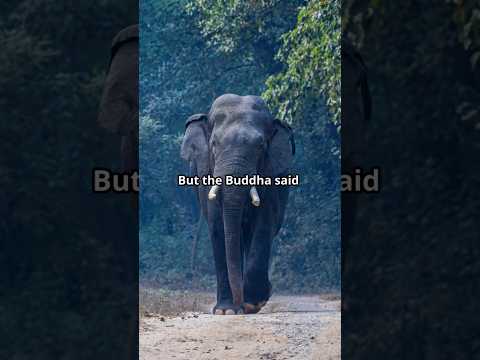
    In Buddhist tradition, the elephant symbolizes patience, mental strength, and calm focus. Elephants don’t react quickly. They move deliberately. When thunder roars or birds scream overhead, they don’t panic — they simply continue walking.

    To “live without hate” like the elephant means developing the kind of inner stillness that isn’t swayed by anger, criticism, or chaos around us. It’s about walking our path — without being pulled into every fight or emotional storm.


    Why We Cling to Hate

    Hate, resentment, and anger are rooted in ego. We feel threatened, insulted, or wronged — and the mind lashes out to defend itself. This reaction is deeply human, but it’s also deeply harmful.

    The Buddha taught that hatred does not cease by hatred — it only deepens suffering, both for us and for others. It clouds judgment, poisons relationships, and hardens the heart. Worse, it traps us in cycles of revenge, blame, and fear.


    Living Without Hate is Not Weakness

    To live without hate doesn’t mean being passive. It doesn’t mean allowing injustice or avoiding boundaries. Rather, it means responding with wisdom instead of reacting with rage.

    The elephant walks forward — it does not run away.

    Similarly, a wise person can confront life’s challenges without falling into hatred. They can disagree without becoming cruel. They can set firm boundaries without poisoning their own heart with resentment.


    Practical Ways to Cultivate This Wisdom

    You don’t need to be a monk or live in a forest to practice this. You can start cultivating this strength right now:

    • Pause before reacting. Ask: Is my response coming from hate or clarity?
    • Practice mindfulness. Return to your breath and body in moments of stress.
    • Reflect daily. What emotions dominated today? Did you nourish peace or feed conflict?
    • Spend time in nature. Like the elephant in the forest, solitude and quiet help reset the mind.

    Ancient Wisdom, Modern Relevance

    This simple Buddhist teaching — “Live without hate, like an elephant in the forest” — offers a timeless guide to modern living.

    In online arguments, at family dinners, in moments of political division or personal betrayal, we can choose a different path. We can walk with calm, clarity, and self-possession.

    We don’t need to chase every insult or correct every opinion. Instead, like the elephant, we can continue walking — strong, still, and free.


    Final Thoughts

    Living without hate is not a philosophy of weakness — it’s a path of power. It requires great strength to stay centered while the world pulls at you from every direction.

    But that strength lives in you. And every moment is a chance to return to it.

    Live Without Hate – Like an Elephant in the Forest (Buddha).
    Live Without Hate – Like an Elephant in the Forest (Buddha).

    If this message resonates, explore more teachings from the Buddha, the Stoics, and other timeless traditions at Your Wisdom Vault on YouTube — where we rediscover what still matters.

    P.S. If this teaching brought you a moment of peace or clarity, consider sharing it — someone else might need that elephant’s wisdom today.

    #Buddha #Mindfulness #LiveWithoutHate #SpiritualGrowth #BuddhistWisdom #InnerPeace #LetGoOfAnger #AncientPhilosophy #YourWisdomVault #EmotionalFreedom