Tag: Buddhist teachings

  • Tittira Jataka: Buddhist Parable on Unity & Wisdom.

    Tittira Jataka: Buddhist Parable on Unity & Wisdom | Timeless Lesson on Friendship and Harmony.
    Tittira Jataka: Buddhist Parable on Unity & Wisdom.

    Tittira Jataka: Buddhist Parable on Unity & Wisdom.

    Buddhist teachings have been passed down for centuries not only through philosophy and meditation but also through memorable stories. These parables, known as Jataka tales, use simple characters to express profound truths. One such story is the Tittira Jataka, a timeless reminder that unity and respect are essential for peaceful living. Though the setting is a quiet forest, the lesson still echoes loudly in today’s complex world.

    The Story of the Animals

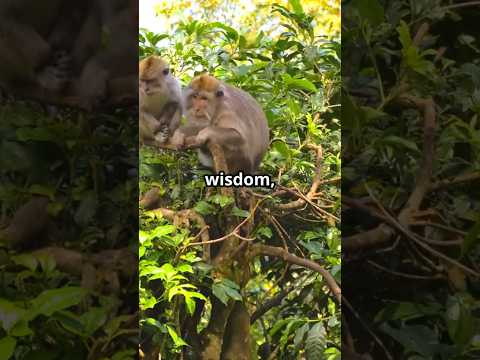
    In the Tittira Jataka, three animals—a partridge, a monkey, and an elephant—shared the same forest. Each believed they were the most senior and therefore entitled to the highest respect. A dispute arose, but instead of allowing conflict to grow, they decided to determine who truly came first.

    After reflecting on their experiences, it became clear that the partridge was the eldest. The monkey and elephant accepted this realization with humility. By recognizing the partridge’s seniority, they began to listen to its wisdom. From that moment forward, the three animals lived harmoniously, avoiding quarrels and protecting one another.

    Lessons in Respect and Cooperation

    The message of the Tittira Jataka is straightforward yet powerful: true peace arises when pride is set aside, and respect is given where it is due. The partridge did not seek power, but its experience made it a source of guidance. The others gained strength not by competing but by cooperating.

    In human life, this principle is equally important. Families thrive when younger generations honor the wisdom of their elders. Communities grow stronger when diverse voices are acknowledged and respected. Workplaces function more smoothly when colleagues value each other’s knowledge rather than competing for recognition.

    Modern Relevance of an Ancient Tale

    The relevance of this Buddhist parable is striking in our modern era. We live in a time of constant disagreement—political, cultural, and personal. The Tittira Jataka shows us another path. Instead of allowing differences to divide, we can embrace humility, listen more deeply, and find strength through unity.

    For those who practice mindfulness, the story reinforces the importance of awareness and patience. Conflict often arises from ego, while harmony grows from compassion. Just as the monkey and elephant recognized the partridge’s wisdom, we too can learn to appreciate the perspectives of others in our families, workplaces, and communities.

    Practical Applications in Daily Life

    Applying the parable to modern living can be simple yet transformative:

    • In relationships: Listen actively, respect differing opinions, and remember that love grows stronger through mutual understanding.
    • In communities: Value contributions from all members, regardless of age, background, or status.
    • In leadership: Lead with humility, recognizing that wisdom is not confined to a single person.
    • In personal growth: Release pride and remain open to learning from every situation, even from unexpected teachers.

    By following these practices, we not only reduce conflict but also cultivate deeper bonds of trust and cooperation.

    Why Jataka Tales Still Matter

    Jataka tales like the Tittira Jataka are more than ancient fables; they are practical guides for living. Their characters may be animals in distant forests, but the values they teach—respect, unity, and mindfulness—are universal. These stories endure because they touch the heart while sharpening the mind, reminding us that peace is always possible when we live with compassion and humility.

    Conclusion

    The Tittira Jataka continues to inspire because it reveals a simple but profound truth: unity is stronger than division, and respect is more powerful than pride. In a world often torn by conflict, this Buddhist parable encourages us to live with mindfulness, listen with openness, and act with compassion. When we honor the wisdom of others and work together, we build harmony not just in our personal lives, but in society as a whole.

    Tittira Jataka: Buddhist Parable on Unity & Wisdom.
    Tittira Jataka: Buddhist Parable on Unity & Wisdom.

    P.S. 🌟 If this story inspired you, don’t forget to subscribe to YourWisdomVault on YouTube for more timeless Buddhist tales, life lessons, and wisdom stories every week 🙏✨

    #TittiraJataka #Buddhism #JatakaTales #BuddhistStories #WisdomStories #Mindfulness #LifeLessons #UnityAndWisdom #YourWisdomVault
  • Vattaka Jataka: A Buddhist Tale of Wisdom and Freedom.

    Vattaka Jataka: A Buddhist Tale of Wisdom and Freedom | Timeless Lesson on Courage and Mindfulness.
    Vattaka Jataka: A Buddhist Tale of Wisdom and Freedom.

    Vattaka Jataka: A Buddhist Tale of Wisdom and Freedom.

    Buddhist literature is filled with timeless stories that offer moral guidance and practical wisdom for daily life. Among them, the Vattaka Jataka is a beautiful parable that continues to inspire readers and practitioners today. This ancient tale illustrates how mindfulness and patience can lead to true freedom, even when circumstances appear impossible. Through the simple image of a small bird, the story conveys a universal truth about human challenges and the path to liberation.

    The Story of the Vattaka Jataka

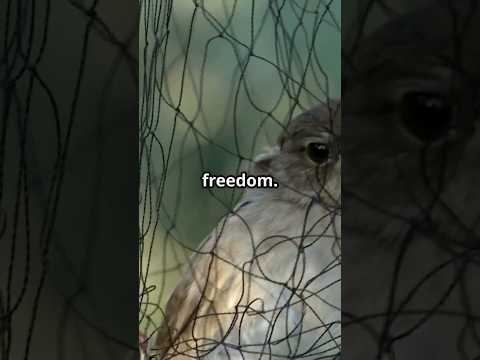
    The Vattaka Jataka tells the story of a quail caught in the net of a hunter. At first glance, the bird’s situation appears hopeless. Trapped and vulnerable, many creatures would react with panic and fear. Yet this quail does something extraordinary. Instead of flailing in desperation, it remembers the practice of mindfulness and turns inward. By calming its thoughts and focusing its awareness, the quail finds a way to slip free from the net and escape to safety.

    This is more than just a clever trick. The quail’s mindful response reflects a deeper truth: freedom is achieved not through chaos and struggle but through clarity, patience, and wisdom.

    Lessons We Can Learn

    The story provides a rich source of teachings that remain as relevant today as they were centuries ago. Three key lessons stand out:

    • Mindfulness in difficulty – When we face life’s traps, a calm mind prevents us from being consumed by fear.
    • Clarity through patience – Rash decisions often worsen problems, but patience opens space for insight.
    • True freedom is inner – The quail demonstrates that liberation begins in the mind before it appears in external circumstances.

    These lessons invite us to respond to difficulties with reflection instead of reaction, finding freedom in the present moment.

    Modern Relevance

    Even though the Vattaka Jataka is an ancient story, it feels strikingly modern. Today, many people feel trapped in “nets” of stress, financial strain, unhealthy habits, or emotional pain. The message of this Jataka tale is that liberation does not come from frantic escape attempts but from cultivating awareness.

    Mindfulness practices such as meditation, deep breathing, or simply pausing before reacting mirror the quail’s response. By calming the mind, we often discover creative solutions to problems that once seemed impossible.

    The Value of Jataka Tales

    Stories like the Vattaka Jataka belong to a vast collection of Jataka tales that illustrate Buddhist virtues through parables and fables. These narratives may appear simple, but they are profound guides for living with wisdom and compassion. For children, they are memorable stories with moral lessons. For adults, they provide a spiritual compass that points toward patience, mindfulness, and ethical living.

    Their timeless appeal lies in their accessibility. Anyone can hear the tale of the quail and immediately understand its message: peace of mind leads to freedom.

    Conclusion

    The Vattaka Jataka offers a powerful reminder that no matter how trapped we may feel, freedom is always within reach when we rely on mindfulness and patience. By refusing to panic, the quail transformed a hopeless situation into liberation.

    This Buddhist story encourages us to do the same in our lives. Whether facing personal struggles, professional stress, or emotional hardship, the key is to pause, breathe, and trust that wisdom will guide us through. Like the quail, we can all discover that true freedom comes not from struggle but from clarity of mind.

    Vattaka Jataka: A Buddhist Tale of Wisdom and Freedom.
    Vattaka Jataka: A Buddhist Tale of Wisdom and Freedom.

    P.S. If this story inspired you, don’t forget to subscribe to YourWisdomVault on YouTube for more timeless Buddhist tales, wisdom stories, and mindful teachings delivered straight to you.

    #VattakaJataka #JatakaTales #BuddhistStories #Mindfulness #Wisdom #Freedom #YourWisdomVault #SpiritualStories #AncientWisdom

  • Munika Jataka: Buddhist Story of Greed and Consequences.

    Munika Jataka: Buddhist Story of Greed and Consequences.
    Munika Jataka: Buddhist Story of Greed and Consequences.

    Munika Jataka: Buddhist Story of Greed and Consequences.

    Among the Jataka tales preserved in Buddhist tradition, the Munika Jataka is one of the most memorable. These stories, spoken by the Buddha, were not just fables for entertainment. They were teaching tools that conveyed moral lessons about human behavior, karma, and the path toward wisdom.

    The Munika Jataka focuses on a pig named Munika, whose downfall came from unchecked craving. Though the tale is ancient, its meaning is timeless. It asks us to look at our own relationship with desire and reminds us that greed never leads to happiness.


    The Story of Munika

    Munika the pig lived a fortunate life. He had food, shelter, and comfort. But he was never satisfied. His hunger was not only physical—it was the endless hunger of desire.

    One day, he heard that a grand feast was being prepared nearby. Despite warnings of danger, Munika rushed ahead, thinking only of the delicious food that awaited him. His greed blinded him to the obvious risks.

    The feast, however, was a trap. In his desperate attempt to satisfy craving, Munika walked straight into the hands of those who sought to harm him. The Buddha told this story to demonstrate how greed clouds judgment and leads directly to suffering.


    Lessons from the Munika Jataka

    Greed as a Trap

    The first lesson is simple but profound: greed is never satisfied. The more we chase after cravings, the more we lose clarity. Munika’s downfall mirrors the countless times humans have ignored wisdom in pursuit of fleeting pleasures.

    Contentment as Strength

    The Munika Jataka also teaches that true happiness lies in contentment. Appreciating what we have brings peace of mind, while endlessly wanting more creates restlessness and suffering.

    Mindfulness as Protection

    Mindfulness is the safeguard against unwise choices. Had Munika paused to reflect, he might have seen the danger ahead. For us, mindfulness is the practice of slowing down, observing our impulses, and choosing wisely.


    Modern Relevance

    Although told centuries ago, the Munika Jataka is highly relevant today. Modern life constantly tempts us with more—more possessions, more wealth, more recognition. Advertising and social pressure often encourage endless wanting.

    Just like Munika, we may find ourselves pursuing short-term pleasure without considering long-term consequences. Whether it’s overspending, unhealthy habits, or chasing status, greed often leaves us trapped.

    This story calls us to reflect: are we living wisely, or are we being led by craving? By embracing mindfulness and gratitude, we can break free from the cycles of dissatisfaction.


    Why the Jataka Tales Endure

    Stories such as the Munika Jataka endure because they capture universal truths. Human desires have not changed across centuries. The same forces that trapped Munika still influence us today.

    The Jataka tales are not abstract philosophy; they are practical teachings. Each one highlights a moral principle we can apply daily. By listening, reflecting, and living by these lessons, we avoid suffering and cultivate peace.


    Conclusion

    The Munika Jataka reminds us that greed, when unchecked, destroys clarity and leads to pain. Munika’s tragic choice was not just the story of a pig—it is the story of humanity repeating itself whenever craving takes control.

    By practicing mindfulness, cultivating contentment, and appreciating what we already have, we step away from Munika’s fate. This ancient tale continues to guide seekers of wisdom, offering a reminder that happiness is not found in endless wanting, but in the freedom of being satisfied.

    Munika Jataka: Buddhist Story of Greed and Consequences.
    Munika Jataka: Buddhist Story of Greed and Consequences.

    P.S. If you enjoyed this story, don’t miss more timeless wisdom and mindful lessons. 👉 Subscribe to YourWisdomVault on YouTube for fresh inspiration every week.

    #BuddhistStories #JatakaTales #Mindfulness #WisdomStories #LifeLessons #BuddhistWisdom #YourWisdomVault

  • Ayacitabhatta Jataka | Buddhist Tale of Gratitude & Wisdom.

    Ayacitabhatta Jataka | Buddhist Tale of Gratitude & Wisdom | Timeless Lesson on Virtue.
    Ayacitabhatta Jataka | Buddhist Tale of Gratitude & Wisdom.

    Ayacitabhatta Jataka | Buddhist Tale of Gratitude & Wisdom.

    Stories are one of the oldest ways humanity has preserved and shared wisdom. Within Buddhism, the Jataka tales are timeless narratives that reveal the past lives of the Buddha, each carrying a lesson for spiritual seekers. Among these stories, the Ayacitabhatta Jataka stands out as a gentle yet powerful reminder of the transformative power of gratitude and wisdom.

    These tales were not just entertainment. They served as teaching tools for monks, lay practitioners, and communities, providing examples of moral conduct, compassion, and the values that lead to liberation.

    What Is the Ayacitabhatta Jataka?

    The Ayacitabhatta Jataka is a moral tale from the Buddhist canon. It describes one of the Buddha’s previous lives, in which he lived as a poor man who survived by asking for alms. Although his possessions were meager, his heart was rich with kindness. Whatever he received, he accepted with gratitude, and when possible, he shared with others.

    This simple act of thankfulness created ripples that touched the lives of many around him. The story highlights that gratitude is not bound by wealth or status, but by our inner attitude.

    Through this Jataka, we are shown that even the humblest life can become meaningful when lived with sincerity, generosity, and an open heart.

    The Lesson of Gratitude

    At the heart of the Ayacitabhatta Jataka lies the lesson that gratitude itself is a form of wisdom. When we learn to value what we have—no matter how little—we cultivate peace and contentment. Gratitude protects us from greed, envy, and dissatisfaction, opening the door to compassion and generosity.

    In the modern world, where comparison and desire often cloud our minds, this ancient Buddhist teaching feels more relevant than ever. Gratitude grounds us, reminding us to honor the small blessings of daily life.

    Modern psychology even supports this insight. Studies prove that gratitude practices improve mental well-being, increase happiness, and reduce stress. The Buddha’s teaching, delivered centuries ago through this tale, anticipated truths that science is only now confirming.

    Why Wisdom and Gratitude Are Linked

    Gratitude is more than an emotion; it is a perspective that shapes our decisions. The Ayacitabhatta Jataka shows that when gratitude guides our hearts, wisdom naturally follows. A grateful person sees clearly, respects others, and finds joy in giving.

    Wisdom, in turn, helps us understand the interconnection of all beings. By practicing gratitude, we align ourselves with this truth, creating harmony in our relationships and in our minds.

    When gratitude and wisdom work together, they form a foundation for mindfulness, compassion, and ethical living.

    Applying the Ayacitabhatta Jataka Today

    Though the story is centuries old, its message applies beautifully to modern life:

    • Mindful Living: Start and end the day by naming one thing you are grateful for.
    • Generosity in Small Ways: Even when you feel you have little, remember that kindness can be shared without cost.
    • Contentment Practice: Notice when comparison steals your joy, and gently return to gratitude for what you have.
    • Community Impact: Just as the poor man’s gratitude inspired others, your attitude can influence those around you.

    By applying the lessons of this Jataka, we learn that wisdom begins with simple acts. Gratitude changes how we experience the present moment and how others experience us.

    Conclusion

    The Jataka tales are treasures of spiritual insight, and the Ayacitabhatta Jataka is a shining example of how simple values like gratitude and wisdom can change everything. By reflecting on this story, we are reminded that true richness lies not in material wealth, but in the ability to appreciate, to share, and to live with a thankful heart.

    When gratitude becomes our way of life, wisdom is never far behind. The story continues to inspire seekers today, proving that ancient Buddhist wisdom is not locked in the past, but alive and relevant in the challenges we face daily.

    Ayacitabhatta Jataka | Buddhist Tale of Gratitude & Wisdom.
    Ayacitabhatta Jataka | Buddhist Tale of Gratitude & Wisdom.

    P.S. If you enjoyed this story and want more timeless Buddhist wisdom in easy-to-digest shorts, make sure to subscribe to Your Wisdom Vault on YouTube and join our journey of mindfulness and gratitude. 🌿🙏

    #AyacitabhattaJataka #JatakaTales #BuddhistStories #BuddhistWisdom #WisdomShorts #LifeLessons #Gratitude #Mindfulness #BuddhistTeachings #SpiritualGrowth