
Tag: Buddhist teachings

  • Apaṇṇaka Jātaka: Buddha’s Parable of Wise Choices.

    Apannaka Jataka: Buddha’s Parable of Wise Choices, Right Action, and the Path to Truth.
    Apaṇṇaka Jātaka: Buddha’s Parable of Wise Choices.

    Apaṇṇaka Jātaka: Buddha’s Parable of Wise Choices.

    The Buddhist Jātaka tales are ancient stories that convey timeless wisdom through simple yet profound parables. Among them, the Apaṇṇaka Jātaka stands out for its lesson on discernment, trust, and the importance of holding to truth. This story, told by the Buddha, speaks to anyone who has faced conflicting advice and needed to decide which path to follow.

    The Story of the Three Merchants

    Long ago, three merchants embarked on a journey across a dangerous wilderness. Along their path, they encountered a group of strangers who warned them about poisoned water ahead. These strangers advised them to carry enough safe water for the remainder of their journey and not to trust any other sources.

    The merchants reacted differently to this counsel. Two doubted the warning and believed they could judge for themselves which water was safe. When they came across a stream, they drank deeply, ignoring the earlier advice. Sadly, the water was poisoned, and both perished.

    The third merchant trusted the guidance he had received. He carried his supply and avoided drinking from unknown sources. In the end, he survived the dangerous journey, proving the wisdom of listening to sound advice.

    The Buddha’s Teaching

    The Buddha used this parable to illustrate how people approach truth and falsehood. Just as the third merchant held fast to reliable counsel, we should hold firmly to what is true once we have carefully examined and recognized it.

    This teaching goes beyond physical survival. In the spiritual journey, there are many misleading ideas and practices. By discerning what aligns with the path to liberation, and by remaining steadfast in it, one avoids the suffering caused by false beliefs and harmful choices.

    Moral Lessons from the Apaṇṇaka Jātaka

    The story contains several key lessons:

    1. Discernment is essential—not all advice or information is trustworthy. We must learn to evaluate the source and evidence before deciding.
    2. Consistency protects us—once we recognize the truth, staying committed to it prevents us from being swayed by convenience or popular opinion.
    3. Wisdom often appears simple—the right choice may seem ordinary or unexciting, but its power lies in its ability to protect and guide us.

    Applying the Lesson in Daily Life

    In modern life, we are constantly exposed to conflicting voices—online, in media, and in personal relationships. The Apaṇṇaka Jātaka reminds us that clarity comes from aligning with proven principles rather than chasing every new trend or opinion.

    For example, when making decisions about health, finances, or relationships, it’s wise to seek guidance from reliable sources, test that advice against experience or evidence, and then commit to a course of action.

    Mindfulness practice can help in this process. By observing our thoughts and reactions, we can detect when we are being pulled by doubt or impatience and return to the path we know is true.

    Conclusion

    The Apaṇṇaka Jātaka offers a clear and practical message: once truth has been recognized, protect it and live by it. In a world full of noise and distraction, this ancient teaching is as relevant today as it was in the Buddha’s time.

    Holding firmly to what is true does not mean rejecting all new information—it means filtering it through the lens of wisdom, compassion, and lived experience. This balanced approach leads to better choices, greater peace of mind, and, ultimately, a more fulfilling life.

    By reflecting on stories like this, we connect with a tradition of wisdom that has guided seekers for centuries. The Apaṇṇaka Jātaka remains a beacon for anyone navigating the uncertain waters of modern life.

    Apaṇṇaka Jātaka: Buddha’s Parable of Wise Choices.
    Apaṇṇaka Jātaka: Buddha’s Parable of Wise Choices.

    P.S. If you enjoyed this story and want more timeless Buddhist wisdom, subscribe to YourWisdomVault on YouTube for daily shorts and inspiring tales.

    #BuddhaWisdom #BuddhistStories #JatakaTales #LifeLessons #Mindfulness #BuddhaTeachings #WisdomStories #SpiritualGrowth #AncientWisdom #MindfulLiving
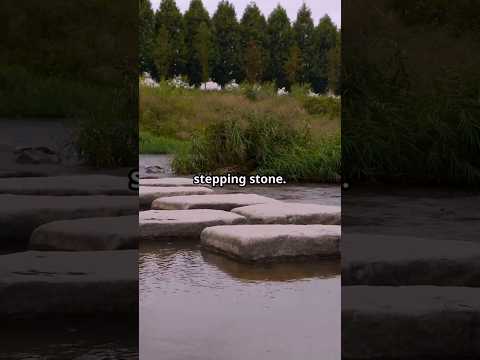
  • Buddhist Teachings on Patience and Inner Transformation.

    Buddhist Teachings on Patience and Inner Transformation Toward Peace, Wisdom, and Freedom.
    Buddhist Teachings on Patience and Inner Transformation.

    Buddhist Teachings on Patience and Inner Transformation.

    In a fast-paced world, patience is often overlooked as a skill, let alone as a form of wisdom. Yet in Buddhist teachings, patience is considered one of the highest virtues—not simply about waiting, but about how we wait and who we become in the process. Through mindful practice, patience transforms our thoughts, softens our reactions, and brings peace to our lives. It is not a passive act but an active cultivation of inner strength and understanding.

    The Role of Patience in Buddhist Philosophy

    According to Buddhist teachings, patience (kṣānti) is one of the Six Pāramitās, or “perfections,” on the path to enlightenment. It is not passive resignation but an active engagement with reality. Patience means meeting life’s challenges without aggression or despair, allowing us to see events from a higher perspective. It is a strength that shields us from the storms of anger, fear, and frustration.

    The Buddha himself faced hostility, misunderstanding, and rejection during his teaching journey. Yet, his example shows that patience is not weakness—it is the calm, unwavering strength that keeps us aligned with truth, even in difficult circumstances.

    Patience as a Form of Inner Strength

    True patience is deeply tied to emotional resilience. In Buddhist teachings, this resilience comes from understanding impermanence—knowing that pain, conflict, and even joy are temporary. When we see life’s experiences as transient, we can approach difficulties with calm acceptance.

    Imagine sitting in traffic. Without patience, irritation builds quickly. But with a patient mind, that moment becomes an opportunity—perhaps for reflection, mindful breathing, or simply noticing the world around us. This mental shift allows us to conserve energy and avoid unnecessary suffering.

    How Patience Leads to Inner Transformation

    Patience is not just a skill for dealing with others; it is a transformative force within. As we practice patience, our minds slow down. We learn to listen deeply, to speak with care, and to act with compassion. Over time, this rewires our habitual responses. Anger turns into understanding, impatience into curiosity, and self-centeredness into empathy.

    In Buddhist teachings, this transformation is considered a gradual process. Each moment of patience plants a seed of peace, which grows into a stable, compassionate character. In this way, patience becomes a cornerstone of spiritual growth.

    Patience also deepens our mindfulness practice. When we are patient, we create space between stimulus and response, allowing wisdom to guide our actions rather than impulsive emotions.

    Practical Ways to Cultivate Patience

    • Mindful Breathing: Before reacting, take three deep breaths. This short pause often changes the tone of your response.
    • Shift Perspective: Ask yourself, “Will this matter in a year?” This reframes small irritations.
    • Practice Gratitude: Focusing on what’s going well can reduce frustration.
    • Daily Meditation: Even a few minutes each day strengthens mental clarity, a foundation for patience.
    • Compassion Reflection: Consider the challenges others might be facing—this reduces judgment and speeds up empathy.

    By applying these practices from Buddhist teachings, patience becomes less of a struggle and more of a natural state of being.

    The Ripple Effect of Patience

    Patience doesn’t just change us—it changes the world around us. When we remain calm in stressful situations, we influence others to do the same. Our relationships become less reactive, more understanding, and more harmonious.

    Communities built on patience and compassion are less prone to conflict and more likely to find cooperative solutions. As Buddhist teachings remind us, the peace we cultivate within naturally extends outward, touching the lives of everyone we encounter.

    Conclusion

    Patience is far more than a virtue; it is a catalyst for deep inner transformation. In the light of Buddhist teachings, patience is both a path and a destination—guiding us toward compassion, clarity, and true peace. By embracing patience, we improve our well-being and contribute to a calmer, kinder world.

    If this resonates with you, consider exploring further into Buddhist philosophy and mindfulness practices. Each step toward patience is a step toward a more balanced, harmonious life—one where our inner transformation quietly shapes the world around us.

    Buddhist Teachings on Patience and Inner Transformation.
    Buddhist Teachings on Patience and Inner Transformation.

    P.S. If you enjoyed this reflection on Buddhist teachings, don’t miss our latest wisdom shorts and articles—subscribe to YourWisdomVault on YouTube and join a community dedicated to mindfulness, compassion, and inner peace.

    #Buddhism #Mindfulness #InnerPeace #BuddhistTeachings #Wisdom

  • Beyond Compassion: A Deep Buddhist Insight for Life.

    Beyond Compassion: A Deep Buddhist Insight for Life, Inner Peace, and True Understanding.
    Beyond Compassion: A Deep Buddhist Insight for Life.

    Beyond Compassion: A Deep Buddhist Insight for Life.

    In Buddhism, compassion is often called the heart of the path—the wish for all beings to be free from suffering and the willingness to act for their benefit. Yet, Buddhist wisdom teaches that heartfelt care alone is not the whole journey. To reach true awakening, kindness must work alongside insight. When these two qualities unite, they guide us toward peace that is both personal and universal.

    The Starting Point of the Journey

    For many, the spiritual path begins with a stirring of empathy. Seeing others in pain awakens a desire to help. This natural response is powerful, motivating acts of generosity, listening, and protection. In Buddhist thought, this initial flowering of the heart is a precious foundation. But without the steadying influence of wisdom, even the warmest intentions can miss their mark, offering short-term relief without addressing deeper causes.

    What Insight Means in Buddhism

    Insight is the clear seeing of how things truly are. It reveals impermanence, the interconnected nature of all life, and the absence of a fixed, separate self. These truths are not just ideas but direct experiences gained through meditation, mindfulness, and observation. When we act with insight, we help in ways that release attachment and foster genuine freedom, rather than reinforcing cycles of suffering.

    Beyond Compassion: The Guiding Role of Wisdom

    The phrase “beyond compassion” does not mean discarding it. Instead, it points to letting wisdom guide the heart’s goodwill so that it serves in lasting and liberating ways. Sometimes that guidance means offering comfort; other times, it means supporting someone as they face difficult truths. This balance ensures that care is not only warm but also effective.

    Practicing the Union of Wisdom and Compassion in Daily Life

    Uniting these two qualities can happen in ordinary moments. In relationships, it might mean listening deeply before offering advice. At work, it could mean making decisions that consider both immediate needs and long-term impacts. Mindfulness strengthens awareness of our own mental patterns, while meditation develops the clarity to act with steadiness. Over time, the blend of wisdom and compassion becomes a way of living, shaping speech, choices, and perspective.

    Why This Teaching Matters in Modern Times

    Life today is fast-moving and complex. Many people who act from goodwill find themselves exhausted or discouraged when change seems slow. Here, wisdom is a safeguard. It helps us see that transformation often unfolds gradually and that every small act can have unseen ripple effects. By holding insight and compassion together, we build a practice that endures, avoiding burnout and nurturing hope.

    Bringing It All Together

    The Buddhist path does not ask us to choose between heart and mind. It invites us to let them work in harmony. Care without wisdom may be well-meaning but incomplete; wisdom without warmth can be detached and cold. Together, they create a balanced approach to life’s challenges, one that is both deeply human and profoundly freeing. Going beyond compassion means expanding it—allowing understanding to give it depth and direction.

    Conclusion

    When kindness and clarity meet, our actions become both tender and transformative. This is the essence of going beyond compassion: not abandoning it, but letting wisdom lift it to its fullest expression. In doing so, we walk a path that benefits ourselves and all beings, opening the way to lasting peace.

    Beyond Compassion: A Deep Buddhist Insight for Life.
    Beyond Compassion: A Deep Buddhist Insight for Life.

    P.S. If this insight inspired you to look at life in a new way, imagine what you could discover with a regular dose of mindful wisdom. Subscribe to YourWisdomVault on YouTube now and walk the path with us—one short, meaningful teaching at a time. Your journey toward clarity and peace is just beginning.

    #Buddhism #BuddhistWisdom #Mindfulness #InsightMeditation #BuddhistPhilosophy #InnerPeace #MindfulLiving #Meditation #SpiritualGrowth #LifeLessons

  • How Wisdom Shapes Us: Buddhist Insights for Daily Life.

    How Wisdom Shapes Us: Buddhist Insights for Daily Life, Mindful Growth, and Inner Peace.
    How Wisdom Shapes Us: Buddhist Insights for Daily Life.

    How Wisdom Shapes Us: Buddhist Insights for Daily Life.

    Modern life moves quickly, and our attention is pulled in a dozen directions at once. We react, we judge, and we chase the next task without pausing to notice what truly matters. The practice of wisdom offers another way: a steady, compassionate way of seeing that illuminates what is wholesome and what leads to suffering. Through this clearer lens, we make choices that reduce harm and increase peace. Instead of forcing life to match our expectations, we learn to meet each moment honestly—turning everyday experiences into opportunities for clarity, patience, and kindness.

    Understanding Insight in Buddhism

    Buddhist teachings emphasize direct understanding—seeing things as they are rather than as we wish them to be. In Pali, paññā is often translated as wisdom, the insight that penetrates illusion. It reveals impermanence, interdependence, and the causes of suffering (dukkha). Relative wisdom recognizes skillful means—how to respond helpfully in specific situations. Ultimate insight points to the empty, conditioned nature of all phenomena. Together, they reshape perception from the inside out. This isn’t abstract philosophy; it’s applied seeing. When we understand how craving, aversion, and confusion distort our view, we naturally lean toward compassion, balance, and ethical conduct.

    How Seeing Clearly Shapes Thoughts and Actions

    Our minds create stories at lightning speed. When those stories go unexamined, they harden into habits. With wisdom as a quiet compass, we slow down enough to notice the moment before we speak, the impulse before we act, the belief before we defend it. Right View and Right Intention from the Noble Eightfold Path become practical: we choose words that heal rather than harm, set intentions aligned with kindness, and act with integrity. Over time, this alignment reduces friction in relationships, steadies our mood, and frees energy for what truly matters.

    The Role of Mindfulness in Cultivating Clarity

    Mindfulness is the training ground where attention learns to rest—on the breath, the body, and the flow of experience. By staying close to sensations, feelings, and thoughts as they arise and pass, we see their transient nature. Mindfulness trains attention so wisdom can surface, because the mind is less crowded by reactivity. When anger appears, we feel it as heat and pressure instead of a personal identity. When anxiety swells, we notice its waves without letting them steer the ship. This clear noticing restores choice, and with choice comes freedom.

    Applying Insight in Daily Life

    Practice thrives in ordinary moments. Carry wisdom into the mundane: pause before replying to a tense message; take three breaths before a meeting; listen to loved ones without rehearsing your response. Try a “micro-ritual” of awareness while walking, washing dishes, or sipping tea. Name what you feel—tightness, impatience, relief—then let it move through. Use compassionate speech, generous assumptions, and simple boundaries. When you fall short, acknowledge it kindly and begin again. These small pivots compound into character. Like water shaping rock, steady attention and kind intention carve a more spacious way of being.

    Common Obstacles and How to Work with Them

    Everyone meets resistance: restlessness, doubt, fatigue, and the old pull of certainty. Start by normalizing them—nothing is wrong with you when they arise. Create supportive conditions: a regular practice window, a quiet space, and a simple ritual to begin. When distraction wins, smile, note it, and return. When judgment spikes, place a hand on your heart and soften the breath. If emotions feel overwhelming, ground in the body—feet on the floor, seat on the chair, jaw unclenched. Return to wisdom as an anchor: ask, “What reduces harm here? What nurtures clarity and care?”

    Conclusion

    Clarity is not a finish line; it’s a way of traveling. Each mindful pause, honest reflection, and compassionate choice builds a life that feels lighter and more aligned. You don’t need perfect conditions or heroic effort—just sincere attention, repeated gently. Over weeks and months, the mind learns to settle, the heart learns to open, and your actions begin to naturally express what you value most. Keep the path simple, keep it kind, and let understanding unfold one grounded breath at a time.

    How Wisdom Shapes Us: Buddhist Insights for Daily Life.
    How Wisdom Shapes Us: Buddhist Insights for Daily Life.

    P.S. If you enjoyed these reflections, join the YourWisdomVault community on YouTube by subscribing—so you never miss a fresh insight on Buddhist wisdom, mindfulness, and living with clarity.

    #Buddhism #Wisdom #Mindfulness #BuddhistWisdom #MindfulLiving #LifeLessons #SpiritualGrowth #SelfAwareness #InnerPeace #LifeWisdom #MeditationPractice #Compassion #PersonalGrowth