Tag: Inner Peace

  • The Power of Memento Mori – Remember, You Will Die

    The Power of Memento Mori — Remember, You Will Die, and Learn to Truly Live with Purpose.
    The Power of Memento Mori – Remember, You Will Die

    The Power of Memento Mori – Remember, You Will Die

    In a world full of distractions, we often forget the most fundamental truth of life: we are all going to die. It’s an uncomfortable reality that many of us try to avoid, but embracing it can be incredibly powerful. This ancient philosophy, known as Memento Mori (Latin for “Remember, you will die”), has been used for centuries to remind people of the brevity of life and the importance of living with purpose. Once you understand the power of accepting death, life becomes more meaningful.

    Memento Mori is not about dwelling on death or becoming morbid—it’s about gaining clarity on what truly matters. By acknowledging the inevitability of death, we are urged to make the most of our time on Earth. It calls us to live fully, intentionally, and with awareness of the preciousness of each moment. The Stoics recognized the power of reflection to transform fear into clarity.

    The Ancient Roots of Memento Mori

    The concept of Memento Mori is rooted in ancient philosophy, particularly in Stoicism, a school of thought that teaches the importance of virtue, wisdom, and self-control in the face of life’s challenges. Stoic philosophers such as Marcus Aurelius and Seneca frequently reflected on mortality to stay grounded and focused on what really matters in life. For them, contemplating death wasn’t meant to be depressing; it was a tool for fostering gratitude, resilience, and mindfulness.

    In fact, the Stoics used Memento Mori as a practice. They would meditate on the impermanence of life, often through daily reminders of their own mortality. This could be something as simple as a skull on a desk, a custom in ancient Rome where people would keep a memento mori close by. The goal wasn’t to depress or paralyze but to help one stay focused on what is truly important—relationships, purpose, and living with integrity.

    Living with Intention

    So, what does Memento Mori mean for us today? In a time where distractions are everywhere—whether it’s social media, the demands of work, or our never-ending to-do lists—it’s easy to forget that our time is limited. Memento Mori is a stark reminder to stop living on autopilot. It’s a call to be present, to make decisions that align with our values, and to prioritize what truly matters.

    By keeping death at the forefront of our minds, we are more likely to take action and pursue our goals with greater urgency and clarity. Knowing that life is fragile gives us a sense of urgency to not waste time on trivial matters or to hold off on pursuing our dreams. It compels us to live with intention, to embrace the things that bring us joy and fulfillment, and to cherish our loved ones.

    Memento Mori in Daily Life

    Incorporating Memento Mori into our daily lives can be simple but profoundly impactful. Here are a few ways to practice this concept:

    1. Reflection: Set aside time each day for quiet reflection. Remind yourself that life is finite, and ask yourself, “Am I using my time wisely? Am I focusing on the right things?”
    2. Gratitude: Cultivate an attitude of gratitude. Appreciate the small, fleeting moments—whether it’s a beautiful sunset, a meaningful conversation, or the laughter of a loved one. These moments are reminders that life is precious.
    3. Pursue What Matters: Let go of things that don’t align with your true values. Whether it’s unnecessary stress, toxic relationships, or the pursuit of superficial goals, Memento Mori encourages us to focus on what really contributes to our happiness and sense of fulfillment.
    4. Embrace Mortality: Don’t shy away from thinking about death. Instead, use it as motivation to live your best life. When we accept that death is a part of life, we gain the freedom to live fully, without fear or regret.

    The Power of Memento Mori

    At first glance, the idea of regularly confronting death may seem unsettling. However, the true power of Memento Mori lies in its ability to push us toward living more purposefully. When we acknowledge our own mortality, we stop taking life for granted. We become more intentional with our choices, more grateful for the present moment, and more driven to create meaningful experiences.

    The Power of Memento Mori – Remember, You Will Die
    The Power of Memento Mori – Remember, You Will Die

    In essence, Memento Mori is not about fear; it’s about freedom—the freedom to live fully, to love deeply, and to make every moment count. By remembering that we will die, we are reminded to live a life that truly matters. It’s a call to embrace the shortness of life and to make the most of every precious moment we have.

    🔔 Subscribe to YourWisdomVault on YouTube for timeless insights on life, mind, and meaning.

    Ps: The power of Memento Mori lies in its ability to sharpen your focus on what truly matters.

    Thanks for watching: The Power of Memento Mori – Remember, You Will Die

    #MementoMori #LiveWithPurpose #RememberYouWillDie #LifeIsShort #Stoicism #Mindfulness #PurposefulLiving #Motivation #PersonalDevelopment #Existentialism #Gratitude #LiveIntentionally #CarpeDiem #PhilosophyOfLife #LifeLessons #SelfGrowth #ReflectOnLife #EmbraceMortality #LivingWithIntention #MindfulLiving #MotivationalBlog
  • Negative Visualization – The Stoic Secret to Happiness

    The Art of Negative Visualization — Find Peace Through Stoic Wisdom.
    Negative Visualization – The Stoic Secret to Happiness

    The Art of Negative Visualization – Stoic Secret to Happiness 🤔

    In a world where we often chase after success, wealth, and constant happiness, it’s easy to forget that true contentment comes from within. The ancient philosophy of Stoicism offers a unique perspective on how to find peace of mind and happiness by practicing something called negative visualization. This Stoic technique might sound strange at first, but it holds the key to reducing stress, building resilience, and achieving long-term happiness.

    So, what exactly is negative visualization, and why should we embrace it?


    What is Negative Visualization? 🧐

    At its core, negative visualization involves imagining the loss of things we often take for granted—our health, loved ones, possessions, or any of the things that make up our day-to-day life. Sounds odd, right? But stick with me!

    Marcus Aurelius, one of the most well-known Stoic philosophers and a Roman emperor, wrote: “The things you think are good, if you lose them, don’t worry. You can still be happy.” In other words, by imagining the loss of these things, we develop a deeper appreciation for them before we lose them.

    Negative visualization doesn’t mean dwelling on worst-case scenarios or living in fear. Instead, it’s a practice that helps you:

    • Prepare emotionally for potential loss.
    • Appreciate the present moment more fully.
    • Foster gratitude for what you have now.

    In a sense, it’s a way of anticipating hardship so that we aren’t blindsided when challenges arise. By mentally preparing ourselves for loss, we can handle adversity with grace and strength when it comes our way.


    How Negative Visualization Leads to Happiness 🌿

    Now, you might be wondering, “How can thinking about losing things actually make me happier?” It’s simple: by facing the possibility of loss, you’re able to shift your perspective on what truly matters and what doesn’t.

    Here’s how it works:

    • Gratitude: When we imagine losing something, we realize how much we value it. This helps us appreciate the people, experiences, and things in our life that we often take for granted. It’s like taking a mental “pause” to say thank you for what you have right now.
    • Reduced anxiety: Many of us spend time worrying about losing what we have. Negative visualization trains your mind to accept that loss is inevitable, and when you accept it, you fear it less. It’s liberating to realize that even in the face of loss, you can still find happiness.
    • Resilience: By mentally preparing for life’s challenges, you become more resilient in the face of adversity. Whether it’s dealing with the loss of a loved one, the end of a relationship, or a setback at work, negative visualization builds mental toughness, making it easier to bounce back when difficult situations arise.

    How to Practice Negative Visualization 🌟

    The good news? Negative visualization is a simple practice that anyone can incorporate into their daily life. Here’s how you can get started:

    1. Choose what to imagine: Take a few minutes each day to think about what you value most. This could be your family, health, career, or personal goals. Imagine losing one of these things. Visualize how it would feel and what it would mean for your life.
    2. Acknowledge your emotions: As you visualize the loss, notice any emotions that come up. It’s okay to feel sadness or fear. This practice isn’t about causing suffering—it’s about accepting that loss is part of life and learning to cope with it.
    3. Refocus on gratitude: After imagining the loss, shift your focus back to the present. Appreciate what you have right now, and think about how you can nurture these things before it’s too late.
    4. Embrace the practice: Incorporate negative visualization into your daily routine, whether it’s for a few minutes each morning or before bed. The more you practice, the more naturally gratitude and acceptance will become.
    Negative Visualization – The Stoic Secret to Happiness
    Negative Visualization – The Stoic Secret to Happiness

    Conclusion: The Stoic Secret to Happiness

    Negative visualization might seem counterintuitive, but it’s a powerful Stoic tool that can lead to greater happiness, peace of mind, and resilience. By imagining the loss of things we hold dear, we can cultivate appreciation, reduce anxiety about the future, and build the mental strength to face whatever life throws our way.

    So, give it a try! Take a few minutes each day to practice negative visualization and see how it changes your perspective on life. 🌱

    💬 How has gratitude or visualization helped you in tough times? Drop a comment on YouTube and share your experience!


    🔔 Subscribe to YourWisdomVault on YouTube for timeless insights on life, mind, and meaning.

    #NegativeVisualization #Stoicism #Happiness #Resilience #Gratitude #MarcusAurelius #MentalToughness #MindsetShift #Philosophy #SelfGrowth

  • How to Control What You Can and Let Go of the Rest

    How to Control What You Can and Let Go of the Rest—Master Calm by Focusing on Your Power.
    How to Control What You Can and Let Go of the Rest

    How to Control What You Can and Let Go of the Rest 💭

    “The Stoics teach us how to control our reactions, even when we can’t control events.” In a world full of uncertainty, it’s easy to feel overwhelmed by the sheer number of things we can’t control. From unexpected events to other people’s actions, there’s no shortage of things that seem beyond our reach. But there’s a timeless philosophy that teaches us how to focus on what we can control and let go of the rest—Stoicism.

    This ancient philosophy, popularized by thinkers like Epictetus, Seneca, and Marcus Aurelius, offers practical advice for dealing with life’s ups and downs. Learning how to control your mindset is key to lasting peace and resilience. One of the most important lessons Stoicism teaches is that true peace and happiness come from focusing on our internal world—our thoughts, emotions, and responses—instead of getting bogged down by external circumstances we can’t change. Learning how to control your mindset is the first step toward inner peace.

    So, how can we apply this Stoic wisdom in today’s chaotic world?


    1. Accept What You Cannot Control 🌊

    The first step in controlling what you can is acceptance. We live in a world filled with unpredictability, and while we can try our best to influence our surroundings, we cannot control everything. The weather, other people’s opinions, the economy, and even certain aspects of our health are beyond our control.

    Epictetus famously said, “We cannot choose our external circumstances, but we can always choose how we respond to them.” This is the cornerstone of Stoic philosophy: we cannot change the past or predict the future, but we can control how we deal with each moment.

    When we start to accept that certain things are out of our hands, we free ourselves from the frustration of trying to change them. Instead of wasting energy on things that don’t matter, we can redirect that energy into what we can control—our reactions, our mindset, and our attitude.


    2. Focus on Your Responses 🤔

    While we can’t control everything that happens to us, we can control how we respond to those events. Stoics believe that it’s not what happens to us, but how we react to it that defines our experience of life.

    Next time you face a stressful situation—whether it’s an unexpected setback at work, a difficult conversation, or a personal challenge—ask yourself, “How can I respond to this situation in a way that aligns with my values?”

    For example, instead of reacting impulsively when someone cuts you off in traffic, take a deep breath and choose to remain calm. Or if you face a failure, instead of giving up, look at it as a chance to learn and grow.

    Here are some practical steps to help you take control of your responses:

    • Pause and breathe: Instead of reacting immediately, give yourself a moment to think.
    • Question your thoughts: Are your initial reactions based on fear or anger? Is there a better way to respond?
    • Choose a constructive response: Focus on solutions, not problems.

    By mastering our responses, we regain power over our emotions and can turn even the toughest situations into opportunities for growth. 🌱


    3. Let Go of What You Can’t Control 🕊️

    One of the hardest parts of Stoic practice is letting go of the things we can’t control. But here’s the thing—holding on to what we can’t change only leads to unnecessary stress and anxiety.

    If you’re constantly worrying about things outside your control, you’re wasting precious time and energy. Instead, focus on what you can influence—your own actions, decisions, and mindset.

    Marcus Aurelius, the Roman Emperor and Stoic philosopher, wrote: “You have power over your mind, not outside events. Realize this, and you will find strength.”

    To practice letting go:

    • Accept that some things are beyond your control and focus on the present.
    • Release the need for approval from others. You can’t control how others perceive you, but you can control your actions.
    • Stop worrying about the future. Focus on what you can do today.

    By releasing what we can’t control, we make room for peace of mind, allowing us to focus on what truly matters. 🧘‍♂️


    Conclusion: Control What You Can, Let Go of the Rest 🌀

    The Stoics mastered how to control their reactions, not the world around them. Life is full of uncertainties, but Stoicism teaches us that we have the power to control our mindset and responses. By focusing on what we can influence—our actions, reactions, and thoughts—and letting go of the things outside our control, we can find more peace and happiness.

    How to Control What You Can and Let Go of the Rest
    How to Control What You Can and Let Go of the Rest

    Remember, life is a journey, and the key to navigating it successfully lies in understanding that you control how you respond to whatever comes your way. 🌟

    💬 How do you deal with situations beyond your control? Share your thoughts in the comments below!


    🔔 Subscribe to YourWisdomVault on YouTube for timeless insights on life, mind, and meaning.

    Ps: Understanding how to control your thoughts helps reduce anxiety and increase clarity.

    Thanks for watching: How to Control What You Can and Let Go of the Rest

    #Stoicism #ControlWhatYouCan #LetGo #MindsetShift #Epictetus #MarcusAurelius #SelfGrowth #MentalStrength #Philosophy #PersonalDevelopment

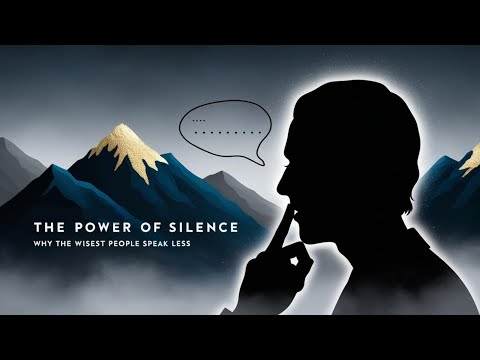
  • The Power of Silence – Why the Wisest People Speak Less

    The Power of Silence – Why the Wisest People Speak Less
    The Power of Silence – Why the Wisest People Speak Less

    The Power of Silence – Why the Wisest People Speak Less

    Silence is more than just the absence of words—it’s a tool, a strategy, and a form of strength. The wisest people throughout history have understood this simple truth: the less you speak, the more you observe, learn, and influence. In a world where everyone is eager to voice their opinions, those who master the art of silence often hold the real power.

    Wise individuals don’t speak less because they have nothing to say. They speak less because they know when to listen, when to reflect, and when to let their actions do the talking. They understand that words, once spoken, cannot be taken back. Instead of rushing to respond, they pause, giving themselves time to process information and formulate meaningful, impactful words. This level of restraint prevents misunderstandings and makes every word they do say more powerful.

    Another key reason why wise people embrace silence is their ability to observe. The less they talk, the more they can focus on the world around them—people’s behaviors, emotions, and intentions. This heightened awareness allows them to read situations accurately, anticipate outcomes, and make well-informed decisions. In contrast, those who constantly speak often miss subtle cues that could have given them an advantage. Silence sharpens perception. It makes space for deep thinking, creativity, and insights that chatter typically drowns out.

    Silence also cultivates inner peace and emotional control. People who practice restraint in speech are less likely to react impulsively to conflict, criticism, or negativity. Instead, they maintain their composure, allowing them to respond with wisdom rather than emotion. This is a trait frequently seen in great leaders, thinkers, and visionaries—individuals who understand that silence is not weakness, but a sign of immense self-discipline. Silence gives them the ability to choose their responses carefully, ensuring their words hold weight and value.

    Throughout history, some of the most influential minds have embraced silence as a way to channel their focus and creativity. Lao Tzu, the ancient Chinese philosopher, taught that silence is a source of great strength. Albert Einstein often retreated into silent contemplation before making groundbreaking discoveries. Warren Buffett, one of the most successful investors of all time, is known for his habit of listening far more than he speaks. Even in modern times, figures like Elon Musk carefully pause before responding, ensuring that every word carries weight. The power of their silence lies in their ability to think critically before they speak.

    But silence isn’t just about thinking—it’s also about power. When a person who rarely speaks finally does, people listen. Their words carry an authority that commands respect. Silence creates mystery and intrigue, making others more curious about what they have to say. It also places the silent individual controlling conversations, as they are not wasting energy on empty words but speaking with purpose and precision. When someone speaks only when necessary, their words resonate more deeply with those around them.

    Silence also protects a person’s energy. When you talk less, you avoid unnecessary arguments, gossip, and conflicts that drain mental and emotional reserves. Many wise individuals know that silence is the best response to negativity. Instead of engaging in pointless debates, they let their silence communicate their thoughts more powerfully than words ever could. Sometimes, silence is the strongest statement one can make.

    In social situations, silence can also be a test of patience and control. Many people feel compelled to fill gaps in conversation, fearing awkwardness or discomfort. But those who are comfortable with silence exude confidence. They do not seek validation through excessive words. Instead, they use silence to command presence, making people around them more attentive and engaged. The ability to sit in silence and let it speak for itself is an indication of self-assurance and inner peace.

    Silence also strengthens relationships. When you truly listen instead of just waiting for your turn to speak, you connect on a deeper level. Conversations become more meaningful, and people feel heard. In friendships, partnerships, and professional interactions, silence can be a powerful tool for understanding, respect, and trust. Those who master it naturally builds stronger connections with others.

    Another critical aspect of silence is its role in decision-making. The greatest minds in history have understood that making wise choices requires time, patience, and quiet reflection. When the mind is constantly engaged in external chatter, it becomes difficult to focus on what truly matters. Silence creates the space needed for deep introspection, enabling individuals to weigh their options, foresee consequences, and make more thoughtful decisions. The power of silence is evident in negotiations, where those who pause and reflect before speaking often gain the upper hand.

    In the world of leadership, silence is a mark of authority. The most respected leaders do not need to raise their voices to be heard. Their silence speaks volumes, allowing their presence and carefully chosen words to make an impact. They know that by speaking only when necessary, they can command greater respect and attention from their followers. This ability to use silence strategically separates true leaders from the rest.

    So, how can you harness the power of silence in your life? Start by practicing active listening—focus entirely on what others are saying without mentally preparing your response. Embrace strategic pauses before you speak, giving your thoughts time to settle. Spend time in quiet reflection each day to strengthen your mind and emotional intelligence. When you do speak, ensure your words carry meaning and contribute to the conversation. Most importantly, recognize that silence can be more effective than speaking in many situations—whether it’s diffusing an argument, gaining someone’s respect, or simply allowing yourself to think more clearly.

    Developing comfort with silence is a skill. At first, it may feel uncomfortable to hold back words, especially in social situations where people expect immediate responses. But with practice, you’ll notice that by speaking less, you gain more control over interactions, emotions, and even your reputation. You will start to notice how people perceive you differently—how they pay more attention when you finally choose to speak.

    Silence allows the mind to settle. In the absence of noise, the mind becomes sharper, decisions become clearer, and emotions become more stable. This is why the most successful and respected individuals in history have embraced silence—not as a weakness, but as a powerful tool for growth, influence, and wisdom.

    The Power of Silence – Why the Wisest People Speak Less
    The Power of Silence – Why the Wisest People Speak Less

    In a noisy world, silence stands out. Those who master it gain a unique advantage—one that brings wisdom, respect, and an unshakable sense of self. The question is: Are you ready to embrace it?

    🔔 Subscribe to YourWisdomVault on YouTube for timeless insights on life, mind, and meaning.

    #ThePowerOfSilence, #WisdomTalks, #SpeakLessListenMore, #SuccessMindset, #PsychologyOfSilence, #TheArtOfSilence, #WisePeopleSpeakLess, #SelfGrowthJourney, #CommunicationSkills, #ListeningIsPower, #SocialIntelligence, #LeadershipWisdom, #PersonalDevelopment, #MindsetMatters, #SuccessTips